

Will it be okay? Revision
Summary
- The major U.S. investment bank Morgan Stanley has predicted that the Fed is likely to cut rates consecutively until January, advising investors to adjust their positions accordingly.
- In particular, interest rate futures contracts for January and February are becoming more active, reflecting the possibility of a Fed rate cut.
- Currently, the interest rate futures market sees an 80% chance of a Fed rate cut in December, and the price index data to be released this month is expected to be a key variable.
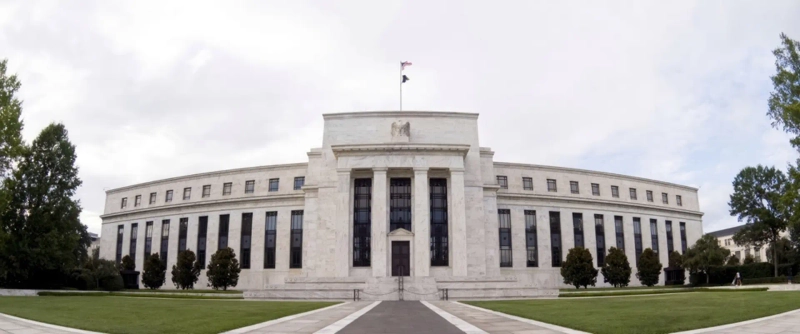
Expectations are growing that the Federal Reserve (Fed) will cut interest rates again in January next year, following this month's cut, leading to a significant increase in bets in the futures and swaps markets.
According to Bloomberg, traders in the relevant markets are betting that the Fed will cut rates consecutively by January next year, bolstered by predictions from the major U.S. investment bank Morgan Stanley.
Morgan Stanley recently reported that the Fed is likely to cut rates consecutively this month and in January next year, advising investors to position themselves accordingly. Specifically, they recommended buying February federal funds rate contracts and accepting January overnight index swap rates on the premise of a rate cut, as the Federal Open Market Committee (FOMC) meeting is scheduled for January 29 next year.
As a result, the January and February interest rate futures contracts have surged in price and volume.
Matthew Hornbach, a strategist at Morgan Stanley, said, "Investors should position themselves in response to the high likelihood that the Fed will cut rates not only in December but also in January next year."
Currently, the interest rate futures market sees about an 80% chance of a Fed rate cut on the 18th of this month. This is significantly higher compared to 64% before the November employment figures were released.
Meanwhile, the U.S. consumer and producer price index data for November is scheduled to be released on the 11th and 12th of this week. This data is expected to have a significant impact on the Fed's future monetary policy decisions.
It's just a revision

Bloomingbit Newsroom
news@bloomingbit.ioFor news reports, news@bloomingbit.io