[PRD News Excerpt] Bitcoin posts annual decline for first time in three years… hits record high in early October, then ‘plunges’
Summary
- The report said bitcoin is down about 7% from the start of the year, posting an annual loss for the first time in three years.
- It said that after the $126,210 record high on Oct. 6, bitcoin plunged on the fallout from President Trump’s tariff policy, triggering a $19 billion liquidation wave.
- The report said experts assessed that in 2025 bitcoin has become more like a risk asset, showing a high correlation with the U.S. stock market and growing more sensitive to equity-market variables.
Forecast Trend Report by Period


Unwinding of leveraged bets leads to record $19 billion in liquidations
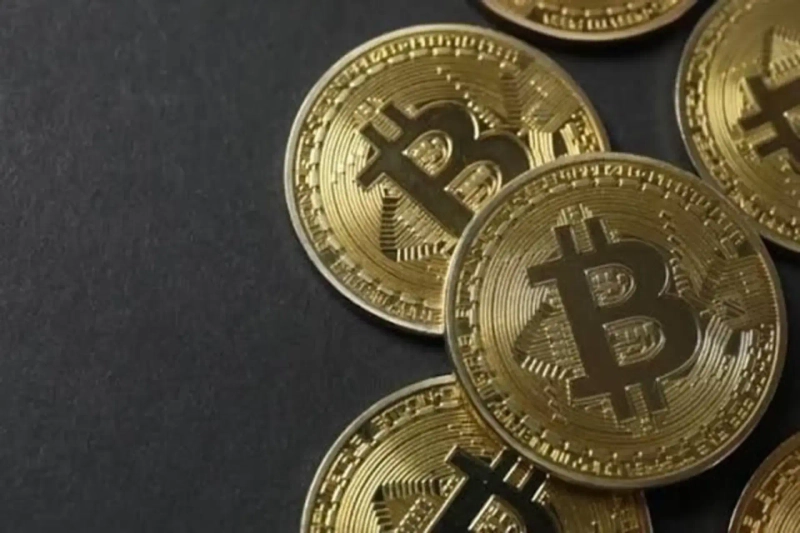
Bitcoin, the world’s largest cryptocurrency by market capitalization, swung in a “roller-coaster” market in 2025 and is poised to post an annual loss for the first time in three years.
According to U.S. crypto exchange Coinbase on the 31st (local time), as of 5 p.m. Eastern Time, one bitcoin was priced at $87,646. That is about 7% lower than at the start of the year and continues to fluctuate around that level.
As a result, absent a notable rebound in the evening, bitcoin will turn negative on the year for the first time in three years. Bitcoin had risen for two consecutive years since 2022.
This year, bitcoin posted extreme volatility, simultaneously setting a new all-time high and seeing record liquidations. Expectations for U.S. President Donald Trump’s pro-crypto policies—after he styled himself a “crypto president”—helped bitcoin start the year on an upswing. But in April, when Trump opened a “tariff war” against countries worldwide, bitcoin plunged alongside equities.
Later, tailwinds returned to the crypto market, including bitcoin, after the so-called “Genius Act” was enacted to bring stablecoins (value-stabilized digital assets pegged to the U.S. dollar) into the regulated system. Bitcoin also managed to rebound.
As the rally extended into early October, bitcoin hit $126,210 on Oct. 6, resetting its all-time high.
However, just days after that record, markets froze again on Oct. 10 when Trump announced a 100% tariff on imports from China and said export controls would also be imposed on key software.
In the process, leveraged positions funded with borrowed money were forcibly unwound, triggering liquidations totaling $19 billion (about 27.4 trillion won), the largest in crypto history.
Investors’ hopes for an October “Uptober” and a November “Moonvember” rally were dashed in succession. November in particular recorded the biggest monthly drop since mid-2021.
Experts say bitcoin this year cemented its character as a “risk asset,” akin to equities, in global financial markets. Lynn Tran, chief market analyst at financial firm XS.com, told Reuters, “2025 was a year when bitcoin’s risk-asset traits became even more pronounced,” adding that it “showed a high correlation with the U.S. stock market across multiple periods.”
That suggests bitcoin—once dubbed “digital gold” and seen as an alternative investment moving independently from equities—is increasingly mirroring stock-market sentiment as institutional and retail investors have poured in. Analysts expect bitcoin next year to remain highly sensitive to key equity-market drivers such as monetary policy and debates over an artificial intelligence (AI) bubble.
Park Subin, Hankyung.com reporter waterbean@hankyung.com

Bloomingbit Newsroom
news@bloomingbit.ioFor news reports, news@bloomingbit.io