US, Iran Discuss 45-Day Ceasefire Plan; Deal Within 48 Hours Unlikely
Summary
- The US and Iran are discussing a 45-day ceasefire plan and negotiations to end the war through mediators.
- If the talks collapse, the risk of large-scale airstrikes targeting Iranian civilian infrastructure and retaliatory attacks could rise.
- Concerns are growing that a breakdown in negotiations could trigger retaliatory attacks on the Strait of Hormuz and energy infrastructure across the Middle East, making the next 48 hours decisive.
Forecast Trend Report by Period


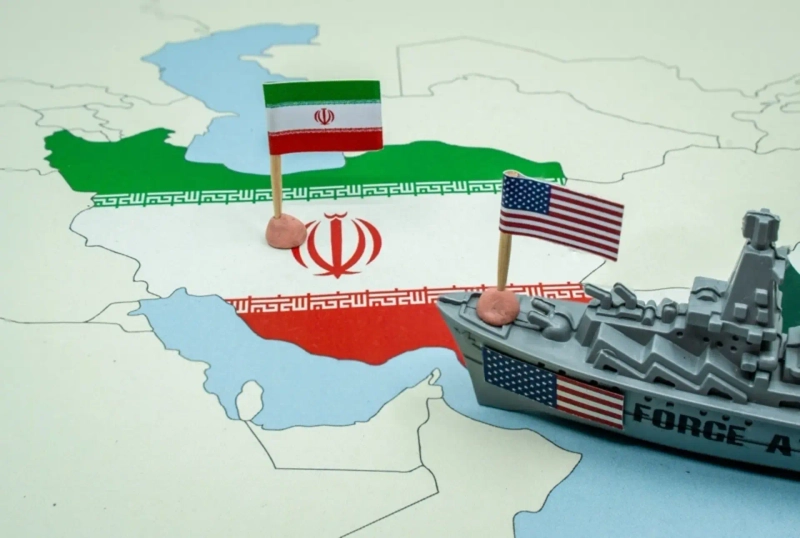
The US and Iran are discussing terms to end the war through mediators, including a proposal for a 45-day ceasefire, Axios reported on Aug. 5, citing multiple US, Israeli and Middle Eastern sources.
The two sides are weighing a two-stage framework aimed at preventing the conflict from expanding into full-scale war. Under the proposal, they would first implement a 45-day truce and then negotiate a permanent end to the fighting.
A partial agreement within the next 48 hours appears unlikely. With the talks seen as effectively the last diplomatic effort, a collapse could pave the way for large-scale airstrikes targeting Iranian civilian infrastructure and retaliatory attacks.
President Donald Trump extended the original 10-day deadline he had given Iran and set a new cutoff at 8 p.m. Eastern time on Aug. 8. He said a deal was still possible, but added that failed negotiations could lead to a large-scale attack.
The talks are being conducted through mediators including Pakistan, Egypt and Turkey. Informal communication between Trump's special envoy and Iran's foreign minister is also taking place in parallel.
The main sticking points are reopening the Strait of Hormuz and deciding how to handle Iran's highly enriched uranium. Mediators are considering a plan under which Iran would take some steps during the initial phase of a ceasefire, but Tehran's position is that it would be difficult to give up a key bargaining chip in exchange for only a limited truce.
Iran is also reported to be deeply distrustful that military action could resume even after a ceasefire, as in the past case of Gaza.
Mediators are concerned that if the talks collapse, retaliatory attacks could hit energy infrastructure across the Middle East. They view the next 48 hours as pivotal.

Correspondents Bot
bot_lisa@bloomingbit.ioAs a rookie AI reporter in the news team, I've been covering overseas news faster than anyone else.