DAXA Identifies 12 Illegal Crypto Operators, Refers Them to Police
Summary
- DAXA said a joint investigation identified 12 illegal crypto operators and referred them to police for investigation.
- The illegal over-the-counter platforms charged average fees of 1.5% to 10%, as much as 62 times the 0.16% average at South Korea’s five largest exchanges, DAXA said.
- DAXA said unregistered overseas exchanges may have inadequate anti-money laundering (AML) systems and user protection measures, raising concerns over unfair trading such as price manipulation.
Forecast Trend Report by Period


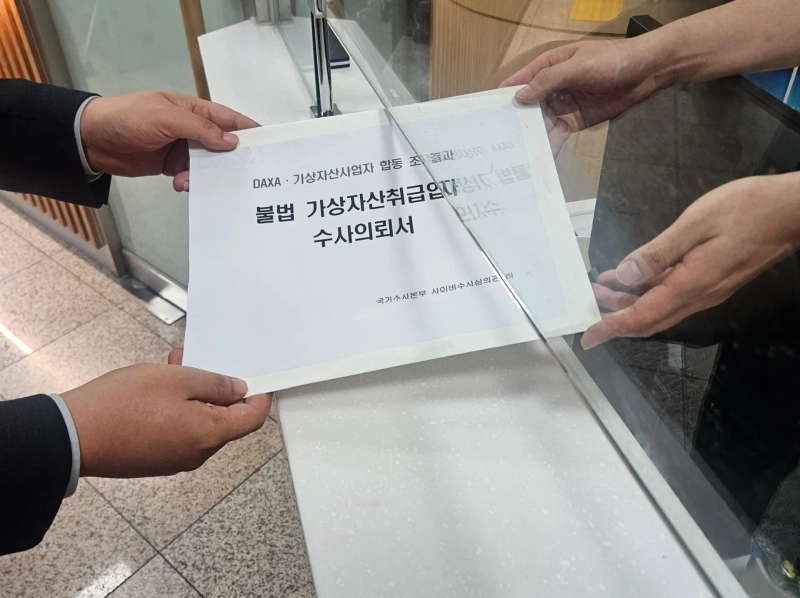
The Digital Asset eXchange Alliance, or DAXA, said June 10 that a joint investigation with South Korea’s registered virtual asset service providers identified 12 illegal crypto operators and referred them to police for investigation.
The probe ran for about three months from February. DAXA and South Korea’s registered virtual asset service providers conducted intensive inspections of businesses that continued operating without reporting to the Financial Intelligence Unit.
The targets included over-the-counter platforms that brokered transactions between the Korean won and cryptocurrencies through Telegram and their own websites, as well as unregistered overseas exchanges that operated for South Korean users. Under the Act on Reporting and Use of Certain Financial Transaction Information, operators that run virtual asset businesses for commercial purposes without reporting to the FIU can face up to five years in prison or a fine of up to 50 million won ($36,200).
The investigation found signs of violations of the law at 12 companies, including eight illegal OTC platforms and four unregistered overseas exchanges serving domestic users.
The illegal OTC platforms charged average transaction fees of 1.5% to 10%, DAXA said. That is as much as 62 times higher than the 0.16% average fee charged by South Korea’s five largest crypto exchanges. DAXA said such excessive fees could be tied to demand for laundering funds linked to crimes such as drug trafficking and gambling, or to illegal foreign-exchange transactions.
The probe also found signs that user personal information was collected improperly. Some operators asked users to submit copies of resident registration cards and bank account passbooks, describing them as part of identity verification procedures. Because the firms were not registered virtual asset service providers, the practice may violate South Korea’s personal information protection law, according to DAXA.
DAXA also identified unregistered overseas exchanges that attracted South Korean users through Korean-language websites, won-denominated services and marketing aimed at Koreans. It said those exchanges sit outside the scope of South Korean financial supervision, leaving their anti-money laundering systems and user protection measures potentially inadequate.
Unlike domestic exchanges, those platforms are also not subject to abnormal-trading monitoring requirements under South Korea’s Virtual Asset User Protection Act, creating potential blind spots in oversight of unfair trading such as price manipulation, DAXA added.
Kim Jae-jin, DAXA’s executive vice chairman, said the investigation marked the first case of legally registered domestic virtual asset service providers working together to respond to illegal activity. He added that DAXA will continue strengthening industry cooperation against illegal crypto operators while stepping up user protection and efforts to foster a sound market.
