South Korea to Permanently Run Illegal FX Task Force, Tighten Crypto-Linked Probes
Summary
- The government said it will strengthen its crackdown on illegal foreign-exchange transactions involving cryptocurrencies and other assets.
- The government plans to expand investigations by converting its response team on illegal foreign-exchange transactions into a permanent operating system.
- The Ministry of Economy and Finance said making the task force permanent will help block illegal foreign-exchange transactions that undermine foreign-exchange market stability.
Forecast Trend Report by Period


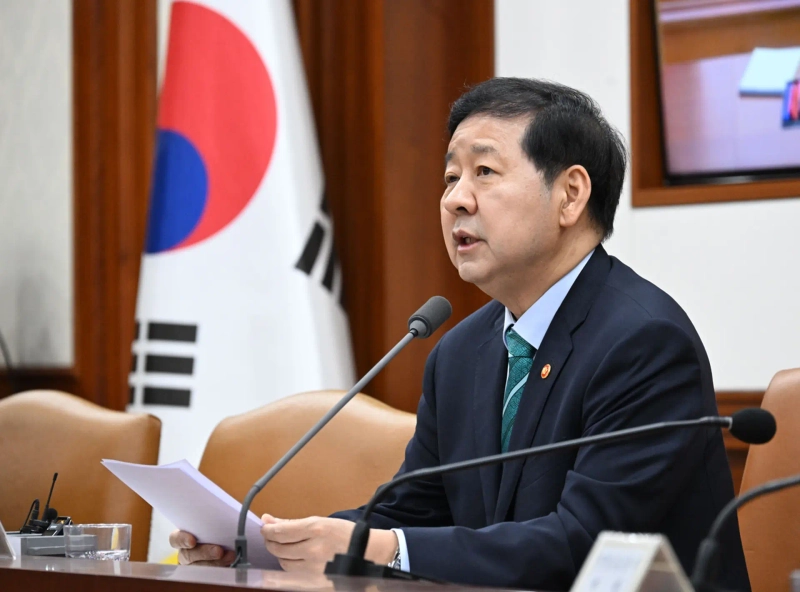
South Korea will strengthen its crackdown on illegal foreign-exchange transactions involving cryptocurrencies and other assets.
The Ministry of Economy and Finance said June 10 it held a pan-government meeting at the government complex in Sejong to review ongoing investigations into illegal foreign-exchange transactions and discuss future response plans. Attendees included the ministry, the National Tax Service, the Korea Customs Service, the Financial Supervisory Service, the Bank of Korea and the National Intelligence Service.
The Korea Customs Service said it has been inspecting illegal foreign-exchange transactions since January, focusing on companies with large trade and foreign-exchange volumes over the past five years where reported import and export amounts differ sharply from trade payments actually made or received. The National Intelligence Service recently caught a company that disguised client funds as trade payments, moved the money overseas, purchased cryptocurrencies there and brought them back into South Korea to cash out.
The government plans to expand its investigations into illegal foreign-exchange transactions. To do so, it will convert the interagency response team into a permanent body after originally planning to operate it only temporarily through the first half of this year.
A ministry official said the shift would help authorities better block illegal foreign-exchange transactions that undermine stability in the foreign-exchange market.
