Easing US-Iran Risks Give Relief to Risk Assets as Altcoins Test AI-Led Rebound
Summary
- Expectations for a peace agreement between the US and Iran are drawing money back into bonds, Asian stocks and some risk assets.
- In the digital-asset market, Bitcoin (BTC) has rebounded from recent lows, but it is still about 48% below its all-time high, making it too early to conclude that the broader trend has recovered.
- Among altcoins, limited buying is flowing mainly into crypto-AI names, while a final peace agreement, the strength of Bitcoin’s recovery, and whether dollar weakness persists are seen as the key variables for the next leg of any altcoin rebound.
Forecast Trend Report by Period


Expectations for a peace agreement between the US and Iran are prompting global hedge funds to shift back toward investment strategies they used before the war. Hopes that oil-price spikes and inflation pressures may ease are drawing money back into bonds, Asian equities and selected risk assets.
Bloomberg reported on June 15 that global hedge fund managers see a US-Iran peace deal as potentially reducing fears of crude-supply disruptions, easing pressure from dollar strength and helping revive appetite for risk assets. Gray Value Management in Florida and Singapore-based Reed Capital Partners favor short-dated US Treasuries, while some managers are also turning to the yen and Southeast Asian stocks.
“The key is getting back to the strategies that were working in January and February, before the war, if a deal lowers inflation expectations,” Great Hill Capital Chairman Thomas Hayes said. He also said a recovery in consumer sentiment could reopen buying opportunities in US consumer stocks.
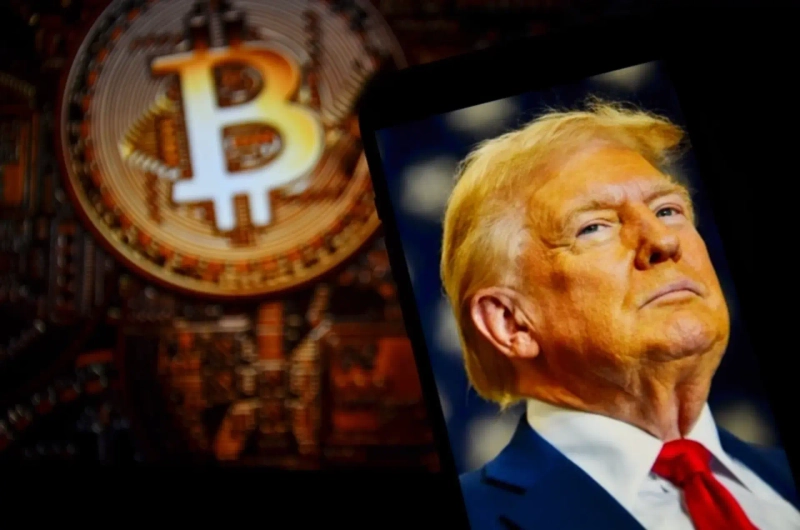
The digital-asset market is also trying to rebound on expectations that geopolitical risks may ease. Bitcoin recovered to near its highest level in about two weeks after recently falling to its lowest since President Donald Trump’s victory in the 2024 election. Even so, it remains about 48% below the record high it reached in October last year, suggesting it is too early to declare a broader trend recovery.
In the altcoin market, buying has been limited and concentrated in crypto-AI names. Richard Galvin, chairman of DACM, said he put part of his cash holdings into digital assets over the weekend, mainly crypto-AI projects. He added that he remains somewhat cautious because Iran and the US have yet to sign a final peace agreement.
Investors are now watching whether the rebound proves to be only a relief rally or develops into a broader recovery in flows across risk assets. A reduction in war risk could ease worries about oil prices and inflation and reduce pressure on central banks to maintain tight policy. Until a final agreement is signed, however, investors are unlikely to raise leverage aggressively.
In the bond market, demand for short-term maturities remains firm. “If the 10-year only offers about 40 basis points more yield than the 2-year, there’s no reason to reach for yield by taking on more duration or lower credit quality,” Stephen Gray, chief investment officer at Gray Value Management, said. Bloomberg said the yield on two-year US Treasuries fell to 4.02%, while the 10-year yield declined to 4.43%.
The prospect of a weaker dollar is also supportive for risk assets. If geopolitical tensions ease, demand for the greenback as a haven may fade, allowing some capital to shift into emerging-market currencies and Asian assets. Gerald Gann, chief investment officer at Reed Capital, said he is buying the yen because the dollar may be overvalued and Japan’s currency may be poised for a structural improvement.
Markets are focused on three variables for whether the altcoin rebound can continue: the signing of a final peace agreement, the strength of Bitcoin’s recovery and whether dollar weakness persists. While easing war risks are giving risk assets more room to breathe, the crypto market still appears defensive, with selective buying emerging first in themes such as crypto-AI.
