Summary
- US intelligence believes Iran is unlikely to accept US demands including scaling back its nuclear program and handling nuclear material.
- The memorandum of understanding (MOU) between the United States and Iran calls for maintaining a ceasefire for the next 60 days while discussing a final nuclear agreement.
- Intelligence officials and some aides are concerned that Iran may gain economic benefits during the talks without making key concessions.
Forecast Trend Report by Period


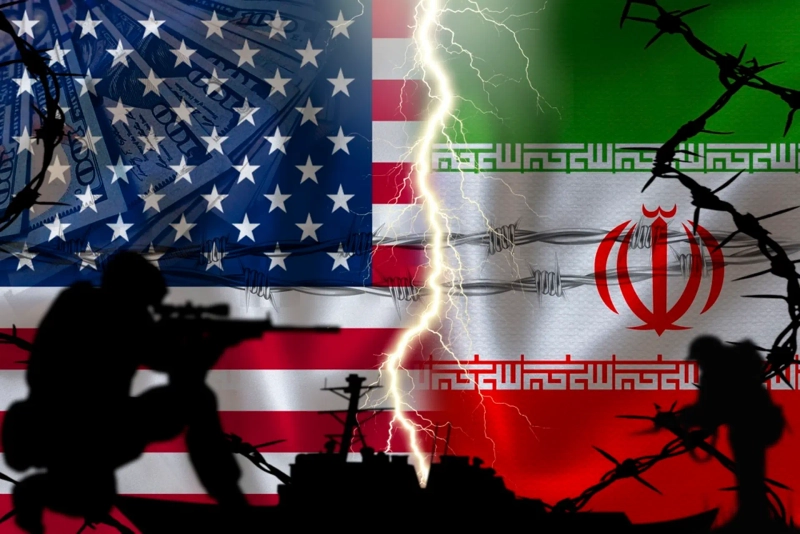
CIA Director John Ratcliffe has raised concerns that Iran will not accept US demands to scale back its nuclear program.
Axios reported on June 15 that Ratcliffe recently told President Donald Trump and senior aides that US intelligence agencies have serious doubts about Tehran’s willingness to negotiate a nuclear deal.
The assessment was based on intelligence gathered by US agencies, the report said. After reviewing internal discussions among Iranian officials, US intelligence concluded there was a substantial gap between the position Iran conveyed to mediators and the United States and its actual internal thinking, according to multiple sources.
Ratcliffe and Secretary of State Marco Rubio also believe Iran is unlikely to accept US demands on handling nuclear material and curbing its enrichment program in the final stages of a nuclear agreement, the report said.
“Intelligence officials believe Iran’s true intentions do not align with the current terms of the agreement,” one source said.
The proposed agreement has also exposed divisions within the Trump administration. Rubio and Defense Secretary Pete Hegseth have expressed concern about the negotiating framework, while Vice President JD Vance, special envoy Steve Witkoff and former White House senior adviser Jared Kushner have supported it.
The memorandum of understanding between the United States and Iran calls for maintaining a ceasefire for the next 60 days while the two sides discuss a final nuclear accord. Intelligence officials and some aides are concerned that Iran could use the negotiation period to secure economic benefits without making key concessions.
