BOJ Raises Rate to 1% as Strategists See Focus on Inflation Risks
Summary
- The Bank of Japan raised its benchmark interest rate to 1%, the highest level since 1995, in a decision that reflected concern about rising prices.
- Market experts said the BOJ is more concerned about inflation risk than growth, meaning the hawkish signal from this rate increase was limited.
- With yen weakness and pressure from rising import prices still in place, markets are weighing the possibility of another BOJ rate increase, while analysts said the move also aimed to curb expectations for a halt to quantitative tightening.
Forecast Trend Report by Period


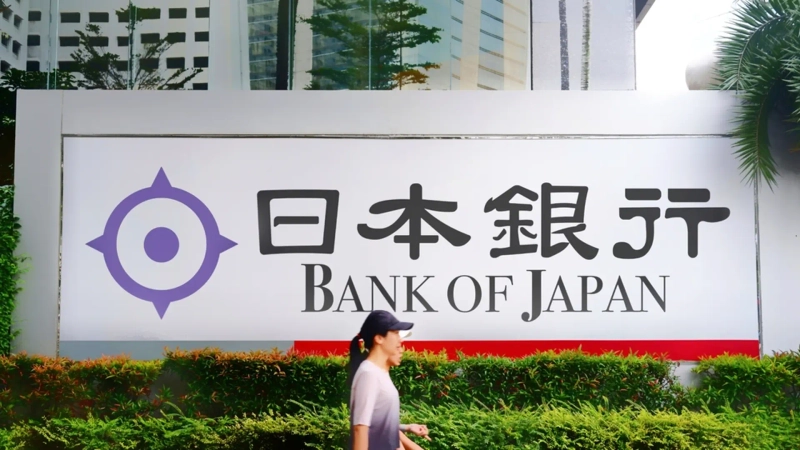
The Bank of Japan raised its policy rate to 1%, a move that market participants said underscored the central bank’s concern over rising prices.
Bloomberg reported on June 15 that the BOJ lifted its benchmark rate by 0.25 percentage point to 1% at a monetary policy meeting, the highest level since 1995. The move was widely expected, with 49 of 51 economists surveyed by Bloomberg forecasting the outcome.
Strategists highlighted the BOJ’s greater concern about inflation risks than economic growth.
Charu Chanana, chief investment strategist at Saxo Markets, said the BOJ is particularly concerned that core inflation remains above its 2% target. In her view, the rate increase shows the BOJ remains on guard against price pressures.
Still, the hawkish message was limited because the BOJ stuck to its position of maintaining accommodative financial conditions, some analysts said. The policy board voted 7-1, and the BOJ offered no specific guidance on the pace of further tightening.
Alex Loo, TD Securities’ chief Asia economist, said the BOJ would need to signal a faster path for rate increases than one move every six months, or indicate that the terminal rate could rise above 1.5%, to convince market participants. He added that it would have been difficult to deliver a strong hawkish message with Governor Kazuo Ueda unable to attend the meeting because he was receiving hospital treatment.
Market attention is now shifting to whether further tightening will follow. With the dollar-yen exchange rate still hovering around 160 yen, the BOJ could face pressure to raise rates again if yen weakness and rising import prices persist.
Separately, Ryutaro Kimura, chief fixed-income strategist at BNP Paribas Asset Management, said the BOJ’s decision not to conduct an additional interim review of its plan to reduce government bond purchases, or quantitative tightening, was intended to prevent markets from becoming overly optimistic about a halt to QT.
