PiCK
Iran Declares Renewed Hormuz Closure as US, Iran Confirm June 21 Working Talks in Switzerland
Summary
- Iran declared a renewed closure of the Strait of Hormuz, putting implementation of the ceasefire memorandum of understanding (MOU) to an early test.
- The US and Iran said they were maintaining dialogue by resuming working-level talks in Switzerland on the nuclear issue and sanctions relief.
- Trump signaled the possible imposition of Strait of Hormuz transit fees, raising the prospect of shifts in Middle East shipping costs and geopolitical risk.
Forecast Trend Report by Period


The US and Iran have confirmed they will attend working-level talks in Switzerland on June 21, keeping diplomatic contacts alive. Iran's declaration on June 20 that it would reimpose a closure of the Strait of Hormuz has also put implementation of the ceasefire memorandum of understanding, or MOU, to an early test.
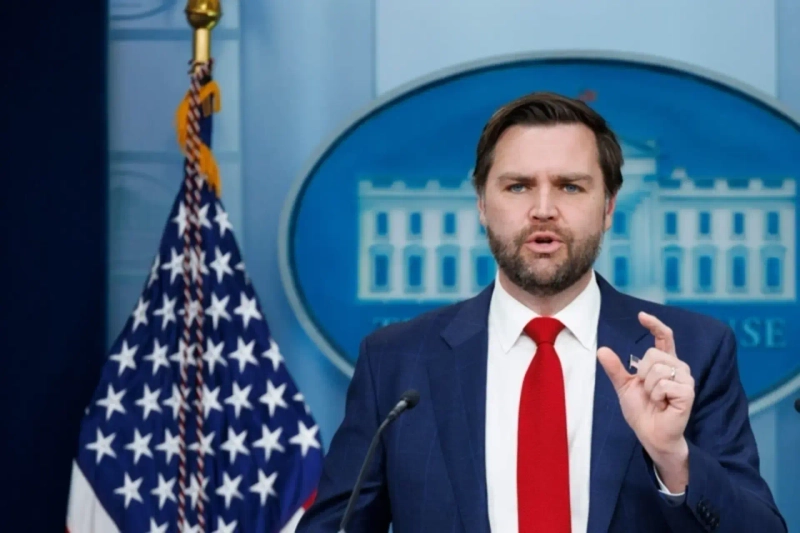
Vice President JD Vance told reporters at Joint Base Andrews near Washington before departing for Switzerland that the negotiations would last about two days. He said he hoped for progress on the nuclear issue and a ceasefire in Lebanon.
On Israel's continued airstrikes in Lebanon against the Iran-backed militant group Hezbollah after the MOU took effect, Vance said conditions were improving. The issue would require continued management to ensure the safety and stability of both Israel and Lebanon, he added.
US delegates including Middle East envoy Steve Witkoff and Jared Kushner, President Donald Trump's son-in-law, arrived in Switzerland earlier. Iran's negotiating team, led by Parliament Speaker Mohammad Bagher Ghalibaf, also arrived in Switzerland on June 20, the Swiss foreign ministry said on X.
Pakistan's foreign ministry, which mediated the ceasefire talks, said in a statement that the two sides would hold face-to-face working-level talks in Switzerland on June 21.
Iran's Khatam al-Anbiya Central Headquarters, which commands the country's armed forces, said the US and Israel had violated the MOU in connection with the situation in Lebanon and announced that it would again close the Strait of Hormuz. The US and Iran had been set to hold their first working-level talks in Switzerland after signing the MOU to discuss the nuclear issue and sanctions relief, but the schedule was delayed as fighting between Israel and Hezbollah continued in Lebanon.
Tim Hawkins, a spokesman for US Central Command, told Reuters and the New York Times on June 20 that Iran does not control the Strait of Hormuz and that vessel traffic was continuing.
Iran's foreign ministry also said the upcoming meeting would not mark the start of formal negotiations. Instead, its purpose was to review violations of the MOU and press the US to implement it.
Amid that backdrop, Trump wrote on Truth Social that there would be no transit fees in the Strait of Hormuz during the 60-day ceasefire period and none after the 60 days expired. He added that if a final agreement was not reached, an exception could apply if such fees were imposed by and for the US to recover costs incurred in the past, present and future for services America had provided as a protector of Middle Eastern countries. The post suggested the US could impose transit fees in the Strait of Hormuz if it fails to reach a final agreement with Iran.
Choi Su-jin, Hankyung.com reporter naive@hankyung.com

Korea Economic Daily
hankyung@bloomingbit.ioThe Korea Economic Daily Global is a digital media where latest news on Korean companies, industries, and financial markets.