North Korea, Russia, Iran Expand Crypto Use to Evade US Sanctions, Exceeding $100 Billion
Summary
- Crypto addresses linked to US-sanctioned actors received more than $100 billion last year, a figure that was roughly eight times higher than a year earlier.
- Iran's Islamic Revolutionary Guard Corps used crypto exchanges to receive oil sale proceeds from China, while Russia used the ruble-linked token 'A7A5' for overseas payments, with the token estimated to have processed more than $90 billion in trading volume last year.
- The US has stepped up enforcement by seizing crypto wallets used by sanctioned states and terrorist groups and sanctioning exchanges, but it remains difficult to block all such activity because of the crypto ecosystem's rapid evolution and differences in regulatory standards across countries.
Forecast Trend Report by Period


More than $100 billion flowed last year into cryptocurrency addresses linked to countries and groups under US sanctions.
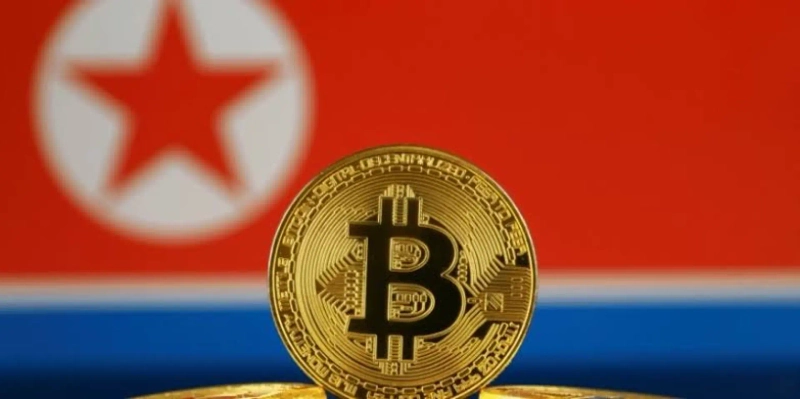
The Wall Street Journal reported on July 4 that blockchain analytics firm Chainalysis estimated crypto addresses tied to sanctioned actors including North Korea, Russia and Iran received more than $100 billion in 2025. That was roughly eight times the previous year's total.
Hamas, the Palestinian militant group, has also been a prominent user of cryptocurrency.
Iran's Islamic Revolutionary Guard Corps, or IRGC, used domestic and overseas crypto exchanges to receive payments for oil sales to China, the report said. Russia, cut off from the international financial system after the war in Ukraine, used the ruble-linked token A7A5 for overseas payments. The token processed more than $90 billion in trading volume last year, according to the report. Russia also used cryptocurrency to pay sailors transporting oil.
North Korea has also been cashing out cryptocurrency stolen through hacks and other cyberattacks to buy fuel and military equipment, the report said.
The US has stepped up enforcement in recent years by seizing crypto wallets used by sanctioned states and terrorist groups and sanctioning exchanges. Still, experts say it remains difficult for authorities to block all such activity because the crypto ecosystem is evolving quickly and regulatory standards differ across countries.

Bloomingbit Newsroom
news@bloomingbit.ioFor news reports, news@bloomingbit.io