Forecast Trend Report by Period


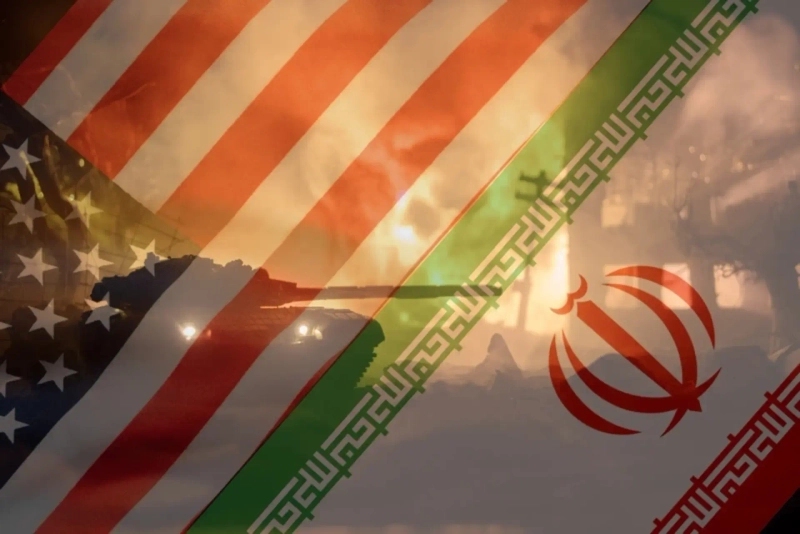
The US and Iran have effectively declared their ceasefire agreement defunct, with each side accusing the other of breaching the deal. Military clashes continued, and a tanker was struck in the Strait of Hormuz, adding to renewed tensions across the Middle East.
CNN reported on July 20 that Iranian Foreign Ministry spokesman Esmaeil Baghaei said the US had violated the ceasefire memorandum of understanding "in both content and spirit" and that Tehran could no longer carry out the agreement. US Secretary of State Marco Rubio responded that Iran was not complying with the deal. "A ceasefire cannot be maintained while the agreement is being violated," he said.
Both sides continued military action the same day. Kuwait's military said it intercepted a hostile attack targeting the country. Bahrain also issued an air raid alert.
The UK Maritime Trade Operations said a tanker sailing through the Strait of Hormuz was hit by an unidentified projectile. The vessel caught fire and later drifted near the coast of Oman, while all crew members were evacuated safely.
The Pentagon confirmed that an Iranian attack in Jordan last week killed one US military officer and one soldier. It was the first US military fatalities caused by an Iranian attack since March. Iran's Health Ministry said clashes from June 27 through July 19 killed more than 50 people and injured 517.
Renewed tensions in the Middle East are also putting upward pressure on oil prices. With the ceasefire agreement effectively rendered meaningless, markets are focusing on whether crude shipments through the Strait of Hormuz will be disrupted, a key variable for global energy markets.
