Korean Refiners Jump More Than 40% in July as Oil Surge Batters Airlines
Forecast Trend Report by Period


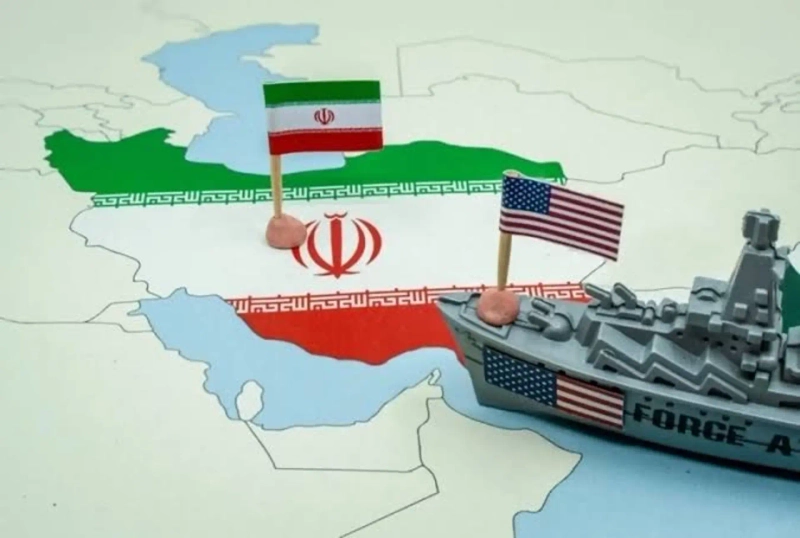
Oil refiners and airlines are diverging sharply as escalating military clashes between the US and Iran drive crude prices higher. Refiners have rebounded on expectations that wider refining margins will boost profitability. Airlines, by contrast, have remained under pressure as rising fuel costs threaten earnings.
According to the Korea Exchange, S-Oil rose 0.93% to close at 151,200 won on July 24, outperforming a 5.72% plunge in the Kospi. The stock has surged 42.11% this month. GS and SK Innovation have climbed 43.74% and 37.09%, respectively, over the same period.
The gains reflect mounting expectations for stronger earnings at refiners as international crude prices rally. On July 23, Brent crude futures for September delivery on ICE Futures Europe broke above the psychologically important $100-a-barrel level. It was the first time Brent had topped $100 since May 22, when it settled at $103.54 a barrel.
The rise followed attacks and reprisals between the US and Iran over control of the Strait of Hormuz, heightening military tensions across the Middle East. Supply concerns have also intensified after Yemen's Iran-backed Houthi rebels attacked two Saudi oil tankers in the Bab el-Mandeb Strait in the Red Sea.
That has improved refining margins, or the profit refiners make by importing crude and selling products such as gasoline and diesel. BNK Investment & Securities said this month's month-to-date average refining margin rose to $40 a barrel and reached $48 a barrel on July 17. That was well above last month's spot refining margin of $29 a barrel and the long-term average of $10 a barrel.
Prices for refined products, especially diesel and kerosene, are rising faster than crude, sharply widening refining margins, BNK Investment & Securities analyst Kim Hyun-tae said. Unless there is a major disruption to feedstock supplies, refiners' third-quarter earnings should remain above expectations, he added.
Airline shares, meanwhile, have continued to struggle. Higher oil prices raise fuel costs and add to expense burdens. Jet fuel accounts for about 30% of an airline's total costs, making it a major driver of profitability. Korean Air has fallen 7.62% this month, while T'way Air, Jin Air, Jeju Air and Asiana Airlines have dropped 22.64%, 9.88%, 8.91% and 6.8%, respectively.
Brokerages say crude could climb above levels seen in March, when the US-Iran conflict first erupted, if disruptions in the Strait of Hormuz and the Bab el-Mandeb Strait persist. The supply-demand buffer that had helped stabilize oil prices has already weakened considerably, Kyobo Securities senior researcher Wi Jae-hyun said. If geopolitical risks fail to ease, crude could rise as high as $160 a barrel in the third quarter.
He said the global energy market is more vulnerable now than it was during the March closure of the Strait of Hormuz. At current price levels, oil volatility is more sensitive to upside risks than downside moves.
Ko Jung-sam, Hankyung.com reporter jsk@hankyung.com

Korea Economic Daily
hankyung@bloomingbit.ioThe Korea Economic Daily Global is a digital media where latest news on Korean companies, industries, and financial markets.