CME Chief Warns US Crypto Perpetual Futures May Face Tax Risk
Summary
- Terry Duffy, CME’s chairman, said cryptocurrency perpetual futures in the US could face tax uncertainty.
- If perpetual futures are classified as futures, 60% would be taxed at the long-term capital gains rate and 40% at the short-term capital gains rate, but if they are classified as swaps, they could be subject to ordinary income taxation.
- Duffy said that without specific guidance from the Internal Revenue Service, institutions that trade perpetual futures at scale will face substantial tax uncertainty.
Forecast Trend Report by Period


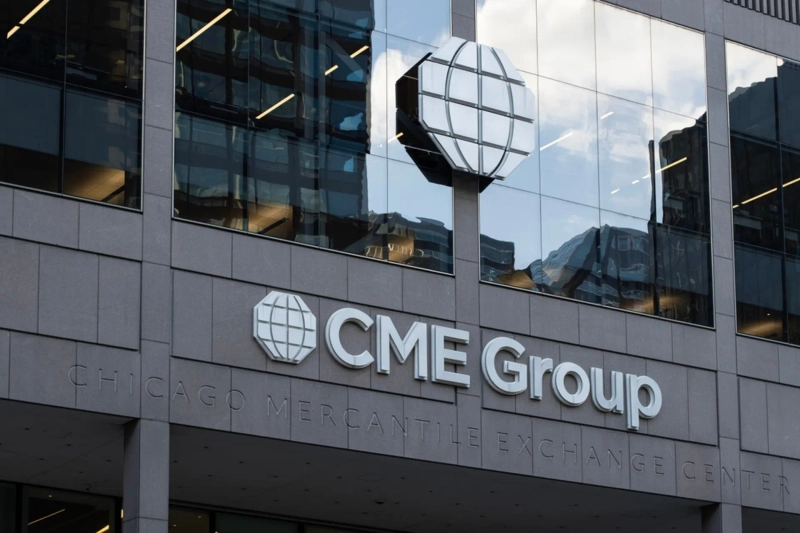
Terry Duffy, chairman and chief executive officer of CME Group, warned that cryptocurrency perpetual futures in the US could face tax uncertainty.
In an interview with CoinDesk published on July 30, Duffy said there is tax ambiguity for participants in the US perpetual futures market.
The central issue is whether perpetual futures should legally be treated as futures or swaps. Traditional futures have expiration dates, while perpetual futures do not. Instead, holders periodically exchange funding payments to keep contract prices close to the underlying asset.
Duffy argued that structure makes perpetual futures more akin to swaps under US law. “If two parties are exchanging payments with one another, it is considered a swap,” he said.
Tax treatment would vary sharply depending on that classification. If perpetual futures are treated as futures, 60% of gains or losses would be taxed at the long-term capital gains rate under US tax law, while the remaining 40% would be taxed at the short-term capital gains rate. If they are classified as swaps, they could instead be subject to ordinary income tax treatment.
The Internal Revenue Service has yet to issue specific guidance on perpetual futures. Duffy said investors may file taxes on perpetual futures as though they were futures, but questions remain over how the IRS would respond if a later ruling found the products should be subject to ordinary income taxation, including whether unpaid taxes would be pursued.
Duffy added that institutions trading perpetual futures at scale will face substantial tax uncertainty for now. “What large company wants to suddenly appear in reports saying it failed to pay its taxes properly?” he said.
