JPMorgan Says US Capacity for Joint Yen Intervention Is Limited, but Could Rise to $187 Billion
Forecast Trend Report by Period


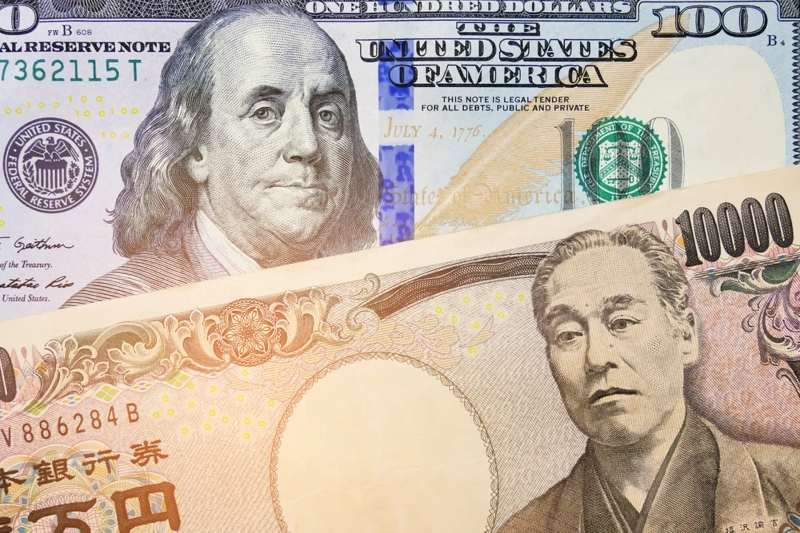
The US has limited capacity to continue joint foreign-exchange intervention with Japan, though it could expand its available firepower to as much as $187 billion if needed, according to a JPMorgan analysis.
Bloomberg reported on August 2 that the US Treasury’s Exchange Stabilization Fund held about $13 billion in euro assets and $25.5 billion in dollar assets as of June, JPMorgan said in a report.
That is less than the $35 billion to $60 billion Japan spent on yen-buying intervention from 2022 through 2026.
JPMorgan said the Treasury could increase its intervention capacity to as much as $187 billion by using the International Monetary Fund’s Special Drawing Rights and converting foreign-currency assets into dollars. If the Federal Reserve were to join the effort, the scale of intervention could effectively double, it added.
Still, the bank said US intervention capacity is not unlimited. Because the Exchange Stabilization Fund has finite resources, securing additional funds would likely require congressional budget approval.
The report also noted that most past US foreign-exchange interventions were limited to about $1 billion to $2.5 billion.
JPMorgan also cited the joint yen-buying intervention conducted by the US and Japan in June 1998. The operation took place only once, and the dollar-yen exchange rate returned to its pre-intervention level within weeks. With no further joint intervention from the two countries afterward, the bank said their willingness to stay in the market for an extended period appeared limited.
JPMorgan said the US government's more active-than-expected stance has reduced the likelihood that the dollar-yen rate will rise above 164. Still, because neither country is seeking to aggressively drive yen strength, the bank said joint intervention alone is unlikely to trigger a strong yen rally that would push the exchange rate below 150.
