PiCK
Bessent Mounts Campaign to Keep Long-Term US Yields From Rising Further
Summary
- Bloomberg reported that the US Treasury is sending signals to the market aimed at preventing a rise in long-term Treasury yields.
- Bond investors took the Treasury’s change in language on its issuance plans as a signal that long-term Treasury issuance could be reduced.
- UBS said the recent measures may have limited effect, but show the Treasury is prepared to use every available tool to prevent a further rise in long-term Treasury yields.
Forecast Trend Report by Period


Bloomberg Says Treasury Is Signaling Its Determination to Resist Higher Long-Term Borrowing Costs
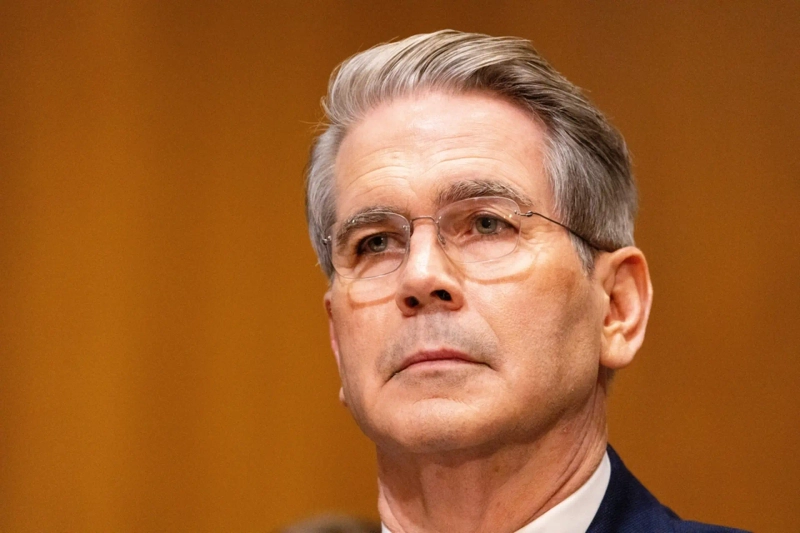
Treasury Secretary Scott Bessent and the US Treasury are sending markets signals that they want to prevent any further rise in long-term Treasury yields, Bloomberg reported.
Bloomberg said on August 9 that this view is gaining traction among Wall Street traders and strategists. They have interpreted a recent series of moves — including joint intervention by US and Japanese currency authorities to support the yen, a shift in Treasury language on long-term debt issuance plans, and Bessent’s public backing of Federal Reserve Chair Kevin Warsh — as part of an effort to keep long-term yields from climbing further.
Bloomberg said the US-Japan intervention to support the yen also helps reduce the risk that Japan could sell large amounts of US Treasuries to raise dollars for currency defense. Such selling would push bond prices down and yields up.
Bessent has also urged the Fed to expand the limit on its Foreign and International Monetary Authorities Repo Facility so Japan’s currency authorities can secure dollar liquidity without selling US government debt.
The Treasury’s change in wording on its debt issuance plans also drew market attention. In a statement last week, the department changed its language from “potential increases going forward” to “potential changes going forward.” Bond investors took that as a signal that issuance of long-term Treasuries could be reduced.
Long-term Treasury yields have jumped in recent weeks. The 30-year Treasury yield rose to 5.28% on July 31, its highest level since July 2007. Rising long-term yields can drive up mortgage rates and increase the burden on households. They also create a political problem for President Donald Trump and Republicans ahead of the November midterm elections.
After Warsh failed to offer a specific policy direction at a press conference following the Federal Open Market Committee meeting on July 29, long-term Treasury yields surged. Bessent then moved to publicly support him, saying on CNBC that markets need help “decoding” the Fed’s policy messaging.
Still, some investors see only limited market impact from the Treasury’s recent steps. Phoebe White, head of US rates strategy at UBS, said the measures may have only a modest effect. They nevertheless show the Treasury is prepared to use every available tool to prevent a further rise in long-term Treasury yields, she added.
Lee Song-ryeol, Hankyung.com reporter yisr0203@hankyung.com

Korea Economic Daily
hankyung@bloomingbit.ioThe Korea Economic Daily Global is a digital media where latest news on Korean companies, industries, and financial markets.