Oil Rises for Fourth Straight Session as US-Iran Talks Stall; WTI Tops $85
Summary
- Oil rose for a fourth straight trading day, with WTI climbing above $85 a barrel.
- The prolonged US-Iran war, uncertainty around the Strait of Hormuz, and a decline in US crude inventories are supporting higher oil prices.
- Prices for petroleum products including diesel are rising rapidly, increasing the likelihood of broader energy-driven inflation pressure.
Forecast Trend Report by Period


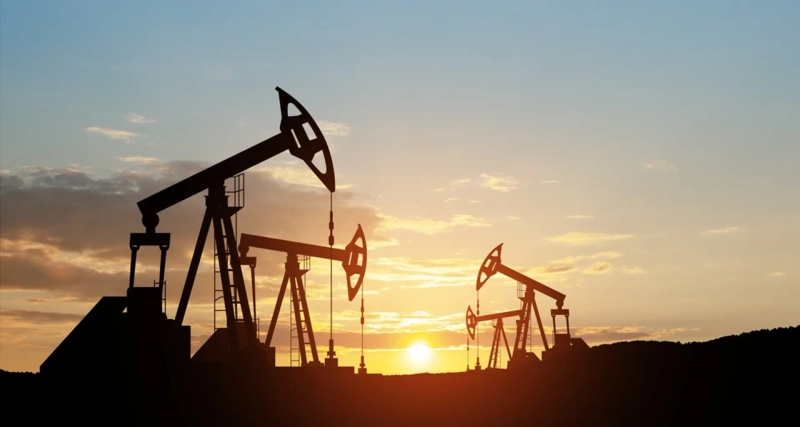
Oil rose for a fourth straight session as the war between the US and Iran neared the six-month mark, with no progress in talks between the two sides.
Bloomberg reported on August 18 that West Texas Intermediate climbed above $85 a barrel. WTI had gained 4.5% over the previous three sessions. Brent crude also traded above $91 a barrel.
Hopes for a near-term resolution faded after President Donald Trump said the US is not currently negotiating with Iran. The two countries have been in conflict for about six months since war broke out in the Middle East in late February.
Uncertainty around the Strait of Hormuz, a critical route for global oil shipments, has also persisted. The US and Iran remain at odds over how the waterway should be managed, and vessel traffic through the strait, which connects Persian Gulf oil producers with global markets, is still limited.
Signs of shrinking US crude inventories also supported prices. The American Petroleum Institute said nationwide crude stockpiles fell slightly. Inventories at Cushing, Oklahoma, a key storage hub, also declined. Distillate inventories, including diesel, were also estimated to have fallen. The US government's official inventory report is due later on August 18.
Oil prices have climbed sharply since the war began in the Middle East in late February. Attacks on refining facilities during the Russia-Ukraine war have also added pressure to global energy supplies.
More recently, petroleum products have outpaced crude in the rally. Diesel and other fuel prices have risen rapidly, raising the risk of broader energy-driven inflation pressure.
