PiCK
BOJ Rate-Hike Clock Speeds Up as Tokyo Markets Brace for Two More Increases This Year
Summary
- Tokyo financial markets say the Bank of Japan is increasingly likely to carry out two rate increases next month and in December.
- Expectations are spreading that the yen could strengthen to around 145 per dollar next year as the US-Japan interest-rate gap narrows.
- Still, Japan faces a dilemma in which yen weakness, inflation, and massive government debt mean the fiscal burden will grow as tightening advances.
Forecast Trend Report by Period


Yen Nears 160 Per Dollar as Markets Price 80% Odds of a September Hike
Nikkei Says US Sought Faster BOJ Tightening
as Condition for Joint Yen Intervention
BOJ Weighs Shorter Gaps Between Rate Increases
Could Follow September Move With Another in December
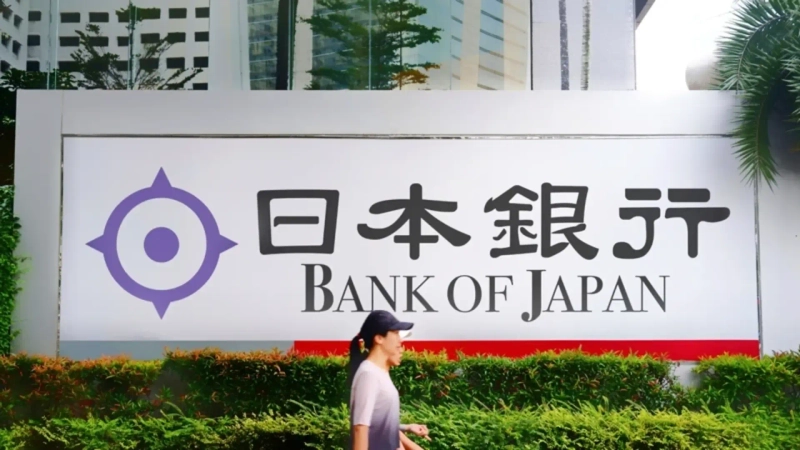
Expectations are building in Tokyo financial markets that the Bank of Japan will raise interest rates twice more this year, first in September and again in December. As Japan's tightening cycle gathers momentum, some investors say the yen, which weakened to nearly 164 per dollar, could strengthen over the medium to long term.
◇ Will the BOJ Raise Rates Every Three Months?
The BOJ's next monetary policy meeting, where officials will discuss another rate increase, is scheduled for Sept. 17-18. In Tokyo markets, traders are pricing in better than 80% odds of a September hike. Some financial firms have already built bond strategies on the assumption that a September move is certain.
Markets are also considering the possibility that the BOJ will follow a September increase with another in December. A September move would come just three months after the previous increase in June. Another hike in December would again leave only a three-month gap. That would double the BOJ's pace from the roughly six-month interval it has maintained so far.
A key reason the BOJ is weighing a faster pace of tightening is the yen's persistent weakness. The dollar-yen rate approached 164 last month, leaving Japan's currency at its weakest level since 1986, nearly 40 years ago. After the US and Japan carried out joint yen-buying intervention in late July, the exchange rate briefly fell to the 156 yen range. It has since climbed back to around 160 this month.
Nikkei reported that a Japanese government official said US conditions for the joint intervention included faster BOJ rate increases. Because Japan's low policy rate is seen as a major cause of yen weakness, the US is pressing the BOJ for additional tightening, the report said.
The BOJ is also wary that yen weakness could drive inflation higher again. Japan's corporate goods price index rose 7.2% in July from a year earlier, while consumer inflation excluding fresh food and energy accelerated to 1.9%, the biggest increase in nine months. As companies pass higher raw-material and import costs through to selling prices more quickly than before, concern is growing that yen-driven inflation could flare up again.
Within the BOJ, officials are voicing concern that unless the pace of rate increases picks up, prices could rise more than expected and deal a major blow to the economy. Many policy board members also agree that the current six-month interval between hikes should be shortened.
◇ Fighting Yen Weakness Means Higher Debt Costs
As the BOJ's tightening stance becomes clearer, more investors are arguing that the yen may be near a bottom. The main rationale is a narrowing US-Japan interest-rate gap. While the BOJ keeps raising rates, the Federal Reserve could start cutting rates around 2028 because of concerns over a slowing economy. Some market participants say the BOJ's policy rate could rise above 2%.
SMBC Nikko Securities said the yen could temporarily strengthen to around 145 per dollar next year. Still, structural drivers of yen selling remain, including deficits in the trade and services balances and increased investment in overseas securities. That suggests yen weakness is more likely to ease gradually over the medium to long term than reverse quickly into a sustained strengthening trend.
The problem is that the faster the BOJ raises rates, the heavier the burden on Japan's public finances becomes. Japan's government debt stands at about 1,347 trillion yen, or about $9.1 trillion. If Japanese government bond yields rise, the government will face higher interest costs each time maturing debt is refinanced.
Japan's Ministry of Finance estimates debt-servicing costs in fiscal 2027 will reach a record 36.6 trillion yen, or about $248 billion. That is 5.3 trillion yen, or about $36 billion, more than the initial budget for fiscal 2026. Higher rates will inevitably raise the cost of carrying Japan's massive debt load. Japan is caught in a dilemma: It needs higher rates to curb yen weakness and inflation, but a faster tightening cycle would also increase the government's fiscal burden.
Choi Man-su, Tokyo correspondent, Korea Economic Daily, bebop@hankyung.com

Korea Economic Daily
hankyung@bloomingbit.ioThe Korea Economic Daily Global is a digital media where latest news on Korean companies, industries, and financial markets.