Iran Rial Hits Record Low Ahead of New US Sanctions; Rice Up 60%, Beef 150%
Summary
- Iran’s currency value fell to a record low ahead of a new US sanctions announcement.
- Rice prices rose 60% and beef prices 150% after the war, while gross domestic product is projected to shrink by more than 5%.
- The United Arab Emirates announced a halt to all trade and financial transactions with Iran, while the US signaled a secondary boycott.
Forecast Trend Report by Period


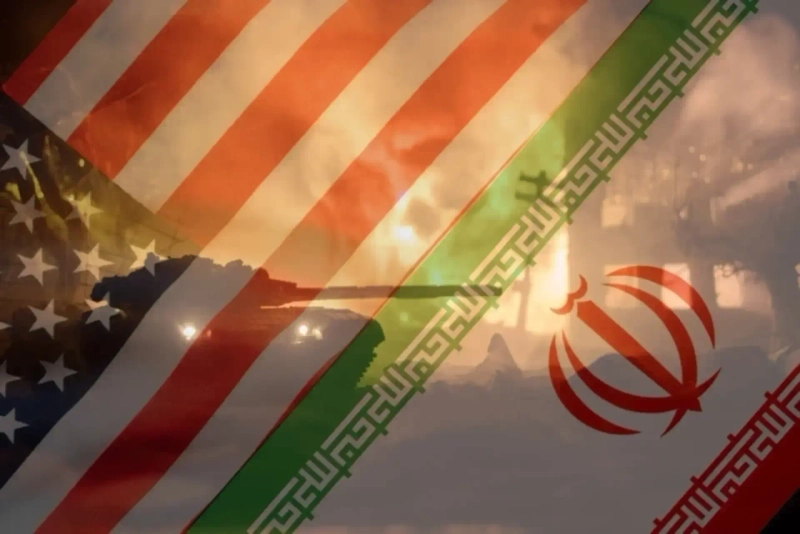
Iran’s currency fell to a record low ahead of a new round of US sanctions that Washington has described as an “economic D-Day” for Tehran. The move underscores fears that Iran’s economy, already strained by existing sanctions, a maritime blockade and a prolonged war, could face a deeper shock.
When the unofficial foreign-exchange market opened on August 24, the Iranian rial slid to 2.02 million per dollar. Iran’s central bank sets the official exchange rate at about 1.5 million rials per dollar, but most Iranians use the unofficial market rate.
The rial had already been under pressure before attacks by the US and Israel, as double-digit inflation and negative growth weighed on the economy. The currency’s decline accelerated under the added strain of a war that has lasted about six months.
Prices are also surging. Since the outbreak of the war, rice prices have climbed about 60% and beef prices by more than 150%. The International Monetary Fund projects Iran’s gross domestic product will contract by more than 5%.
Even so, Iran continues to control the Strait of Hormuz, a key waterway that handled about a fifth of global oil shipments before the war. Traffic through the strait has been severely disrupted during the conflict amid Iranian attacks and threats.
US Treasury Secretary Scott Bessent has signaled that Washington will unveil tougher sanctions than those already in place to break the stalemate with Iran. The package is also set to include secondary boycotts targeting countries that continue doing business with Iran.
The United Arab Emirates announced last week that it would halt all trade and financial transactions with Iran. The UAE has been Iran’s largest trading partner and biggest import source, while also serving as a key re-export and financial hub for Iranian companies.
Iran responded angrily. Foreign Ministry spokesman Esmaeil Baghaei said any action that worsens the situation would “without a doubt” carry a cost. “We are by no means standing idle,” he added.
Shin Hyun-bo, Hankyung.com reporter greaterfool@hankyung.com

Korea Economic Daily
hankyung@bloomingbit.ioThe Korea Economic Daily Global is a digital media where latest news on Korean companies, industries, and financial markets.