SK Hynix’s $28.9 Billion Buyback Spurs Stock-Split Talk as Shares Top 1.7 Million Won
Summary
- SK Hynix’s 40 trillion won share buyback and cancellation plan is fueling expectations for higher earnings per share (EPS) and a narrowing of its undervaluation.
- Improving earnings are being translated into actual shareholder returns, and with additional return measures also signaled, the overall scale of shareholder returns could increase further.
- Despite stock-split discussions, SK Hynix’s share price is likely to be driven by earnings fundamentals such as HBM demand, memory supply discipline, and whether price trends lead to improved profitability.
Forecast Trend Report by Period


SK Hynix Unveils $28.9 Billion Shareholder Return Plan
Stock-Split Talk Grows as Shares Rise Above 1.7 Million Won
Chairman Chey Says Company Would Review Proposal if Asked
HBM Demand and Memory Prices Matter More Than Liquidity Boost
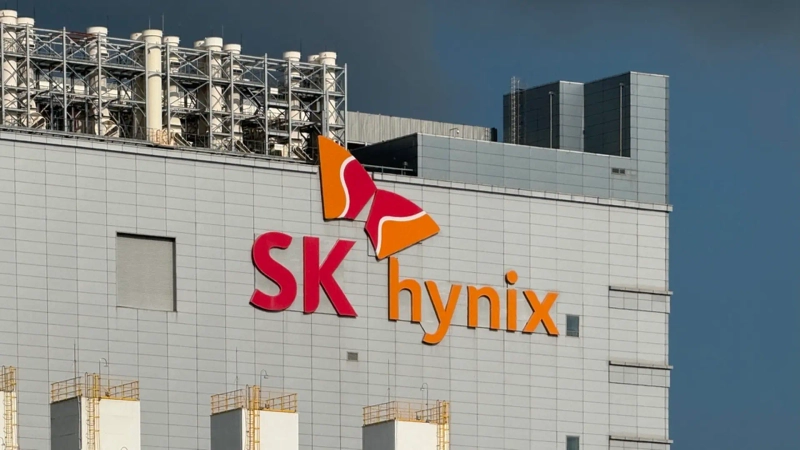
Analysts are discussing a stock split as SK Hynix’s next shareholder return step after the chipmaker announced a 40 trillion won ($28.9 billion) share buyback and cancellation plan. With the stock climbing into the 1.7 million won range, some investors see a split as a way to improve accessibility for retail investors and support trading liquidity.
40 Trillion Won in Treasury Shares to Be Canceled
According to EpicAI, an AI-based investment information platform, SK Hynix ended regular trading on the Kospi on Aug. 19 down 9.75% at 1.5 million won. Profit-taking hit large semiconductor stocks including Samsung Electronics and SK Hynix as higher global long-term bond yields weighed on growth-stock valuations and foreign investors sold shares.
Sentiment turned after the close. SK Hynix announced a 40 trillion won ($28.9 billion) share buyback and retirement plan, helping the stock recoup most of its losses in Nextrade’s after-hours market. It finished at 1.624 million won, down 2.29% from the previous session. That was an 8.27% rebound from the regular-session close.
Lee Jae-won, an analyst at Yuanta Securities, said the move could provide strong downside support for the stock and serve as a rerating catalyst because improved earnings are being translated into actual shareholder returns. A reduction in shares outstanding through buybacks and cancellation could lift earnings per share and lower the price-to-earnings ratio, helping narrow the stock’s undervaluation.
SK Hynix plans to buy 24.07 million common shares in the open market and cancel the entire amount. Based on the Aug. 18 closing price of 1.662 million won, the planned purchase totals 40.00434 trillion won ($28.9 billion), or about 3.3% of total shares outstanding. The purchase period runs from Aug. 22 through Nov. 19. The company plans to cancel all acquired shares within one to two weeks after completing the buyback.
The size of the plan exceeded brokerage estimates. Hana Securities had projected SK Hynix’s total shareholder return this year at 40 trillion won to 60 trillion won ($28.9 billion to $43.4 billion), including 20 trillion won to 30 trillion won ($14.5 billion to $21.7 billion) in buybacks. The announced repurchase alone came to 40 trillion won, and the company has signaled additional measures, raising the possibility that the total package will exceed earlier forecasts.
Kim Rok-ho, an analyst at Hana Securities, said the 40 trillion won buyback is clearly positive for shareholders. It exceeded his previous estimate for repurchases, and with more return measures set to be shared, the overall package could surpass earlier expectations.
Shares Above 1.7 Million Won Fuel Split Calls
The stock’s high per-share price has also become a market focus as shareholder returns expand. As of Aug. 21, SK Hynix closed above 1.7 million won. Interest in a stock split has grown as investors weigh whether lowering the nominal share price could make the so-called emperor stock more accessible and support gains.
A stock split increases the number of shares by dividing existing stock by a set ratio. If an investor owns one share priced at 1 million won and the company carries out a 10-for-1 split, that investor would then hold 10 shares priced at 100,000 won each.
The move lowers the price per share without directly changing a company’s value. As the number of outstanding shares rises, the share price falls by the same ratio, leaving market capitalization unchanged. The main effect is to lower the entry barrier for retail investors and potentially improve trading activity and liquidity.
Chey Tae-won, chairman of SK Group, raised the possibility of a stock split in July after an opening event for SK Hynix’s American depositary receipts listing at Nasdaq’s headquarters in New York. Asked whether the company was considering a split to improve access for retail investors, Chey said, “If there are more requests, we will of course review it.” The comment was enough to draw investor attention because the group’s top decision-maker left the door open.
Eom Su-jin, an analyst at Hanwha Investment & Securities, said a share price running into the hundreds of thousands or millions of won can make purchases burdensome for retail investors and keep trading volume subdued. Lowering the per-share price through a stock split would improve accessibility and make trading more active, leading to larger flows.
Samsung Electronics went through a similar process in the past. In May 2018, the company relisted its shares after a 50-for-1 split from a level above 2.5 million won per share. The face value fell from 5,000 won to 100 won, bringing the share price down to around 50,000 won. On the first day after the relisting, Samsung’s trading volume jumped more than 100-fold and set a daily record. An influx of small investors later helped the stock gain a reputation as a retail favorite.
A Stock Split Doesn’t Guarantee Gains
A stock split does not automatically lead to a higher share price because the company’s value does not change. Some market participants also argue the upside from such a move is smaller than in the past because investors now have more alternatives, including exchange-traded funds and fractional-share trading.
Hur Jae-hwan, an analyst at Eugene Investment & Securities, said a stock split can temporarily lift the share price by making the stock easier for retail investors to access and increasing liquidity. But while it may improve trading liquidity, it does little to change the company’s underlying value.
An industry official said SK Hynix’s share performance is more likely to be driven by earnings fundamentals than by any stock-split effect. Those include rising demand for high-bandwidth memory, or HBM, from AI data centers, supply discipline in memory chips and whether pricing trends improve profitability.
Kang Kyung-ju, Hankyung.com reporter qurasoha@hankyung.com

Bloomingbit Newsroom
news@bloomingbit.ioFor news reports, news@bloomingbit.io