Summary
- Iran said it had agreed with Oman on a shipping route through the Strait of Hormuz and would reopen the waterway if the US fulfills its obligations under the memorandum of understanding.
- It said that during implementation of the memorandum, some banking and petrochemical sanctions were eased, about 90 million barrels of crude were exported, and a $300 billion investment plan was being pursued.
- It said restoring normal traffic through the Strait of Hormuz could ease disruptions to crude and LNG shipments and marine insurance costs, though implementation of the US-Iran agreement remains uncertain.
Forecast Trend Report by Period


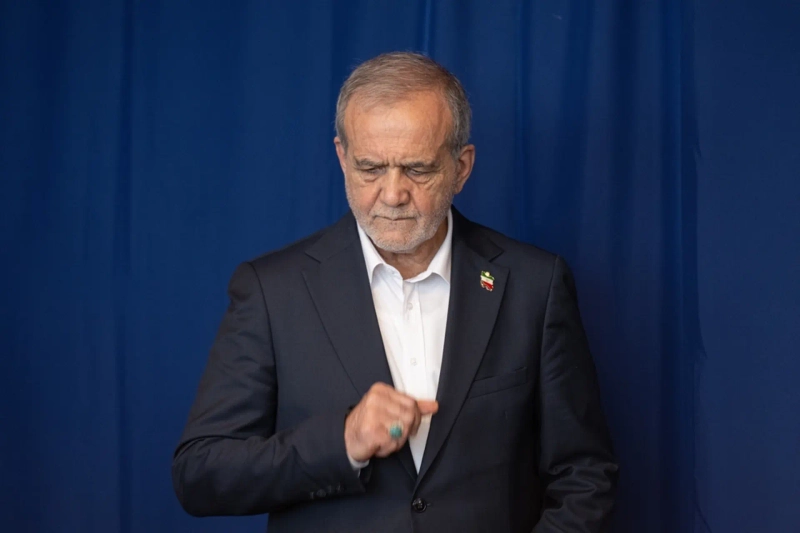
Iran has agreed with Oman on a shipping route through the Strait of Hormuz and said it would reopen the waterway if the US fulfills commitments under the Islamabad memorandum of understanding signed in June.
Anadolu Agency reported on August 28 that Iranian President Masoud Pezeshkian said Tehran and Muscat had reached an agreement on passage through the strait. If Washington carries out the obligations set out in the memorandum, Iran will reopen the strait, he said. Pezeshkian added that the agreement had also been reported to Supreme Leader Ayatollah Ali Khamenei.
Pezeshkian said conditions for reopening the strait include lifting US sanctions and the blockade on Iran, returning frozen assets, launching major investment and ending the war in Lebanon. The terms also require the US to return to the memorandum framework.
Iran's Supreme National Security Council has also effectively approved the Strait of Hormuz agreement, the report said. Pezeshkian said 12 of the council's 13 members supported it, calling it an important achievement reached through collective judgment.
The US and Iran signed the 14-point Islamabad memorandum in June as part of negotiations to end the war. Under the deal, Iran was to support the safe passage of commercial vessels for 60 days and consult with Oman on the future management of the strait. The two sides also agreed to discuss a final ceasefire plan and sanctions relief during the talks.
The memorandum effectively lost force in July after the US and Iran accused each other of violating the agreement. Iran and Oman have since held separate talks on temporary routes for commercial shipping and on management of the strait.
Pezeshkian said some sanctions on Iran's banking and petrochemical sectors were eased while the memorandum was in effect. Iran exported about 90 million barrels of crude during that period, he said. Talks on the return of frozen assets and an investment plan worth $300 billion were also under way, but were halted as the war continued.
Before the war, the Strait of Hormuz carried about 20 million barrels a day of crude oil and petroleum products, making it a critical route for global energy shipments. Restoring normal traffic through the strait could ease disruptions to crude and liquefied natural gas shipments from the Gulf and reduce marine insurance costs. A full reopening may still take time because it remains unclear whether the US and Iran will implement their agreement.
