Gold Holds Near $4,440 as Renewed US-Iran Fighting, Rate-Hike Fears Limit Gains
Summary
- Gold traded in a narrow range at $4,448.64 an ounce as inflation and concerns over additional US rate hikes limited gains.
- Renewed military clashes between the US and Iran pushed international oil prices up by the most in three weeks, adding a new complication for gold.
- Markets are pricing in more than a 60% chance of a rate hike at the FOMC, while gold has slipped below its 200-day moving average, signaling the rally has lost momentum.
Forecast Trend Report by Period


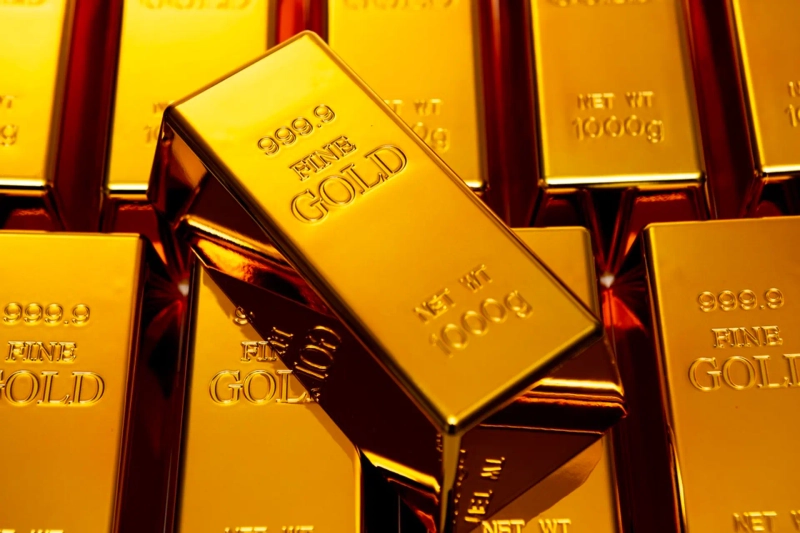
Gold traded in a narrow range near $4,440 as rising oil prices stoked inflation concerns and reinforced worries about another US interest-rate increase.
As of 8:52 a.m. on Sept. 1, spot gold was up 0.2% from the previous session at $4,448.64 an ounce. The metal had dropped more than 3.5% over the prior two trading days.
Bloomberg said the resumption of military clashes between the US and Iran has added new uncertainty to the gold market. US forces attacked an Iranian island in the Strait of Hormuz, and Iran retaliated by striking the United Arab Emirates and Jordan. It was the first direct exchange of attacks between the two sides in about a month.
The latest clash also revived concerns over energy supplies through the Strait of Hormuz, sending international oil prices higher. Crude recorded its biggest gain in three weeks in the previous session and extended those advances on Sept. 1.
Higher oil prices are a double-edged factor for gold. Geopolitical tension can boost demand for haven assets. But if rising energy costs intensify US inflation pressure, they could also raise the chances of further tightening by the Federal Reserve. Gold, which does not pay interest, typically becomes less attractive when rates rise.
Gold climbed about 10% in August, its strongest monthly gain since January. The advance was fueled by renewed interest in the so-called debasement trade after the US Treasury unexpectedly announced an expansion of Treasury buybacks in mid-August, prompting hedges against sovereign debt and currency debasement.
The rally lost momentum after Federal Reserve Chair Kevin Warsh emphasized the need to curb inflation at the Jackson Hole economic symposium on Aug. 28 and signaled that further tightening was possible. Markets are now pricing in more than a 60% chance of a rate increase at the Federal Open Market Committee meeting on Sept. 15-16.
After the recent slide, gold fell back below its 200-day moving average, a key market trend indicator. Silver was little changed at $66.56 an ounce at the same time, while platinum and palladium also posted limited moves. The Bloomberg Dollar Spot Index was flat after falling 0.2% in the previous session.
