ECB Poised for Second Rate Hike Since Iran War, With Deposit Rate Seen at 2.5%
Summary
- The ECB is expected to raise the deposit rate to 2.5% at its monetary policy meeting on September 10.
- Euro-area consumer inflation rose above 3%, and stronger-than-expected economic growth has strengthened the case for further rate increases.
- Markets have priced in the possibility of at least two additional hikes, with attention focused on whether Lagarde signals further tightening.
Forecast Trend Report by Period


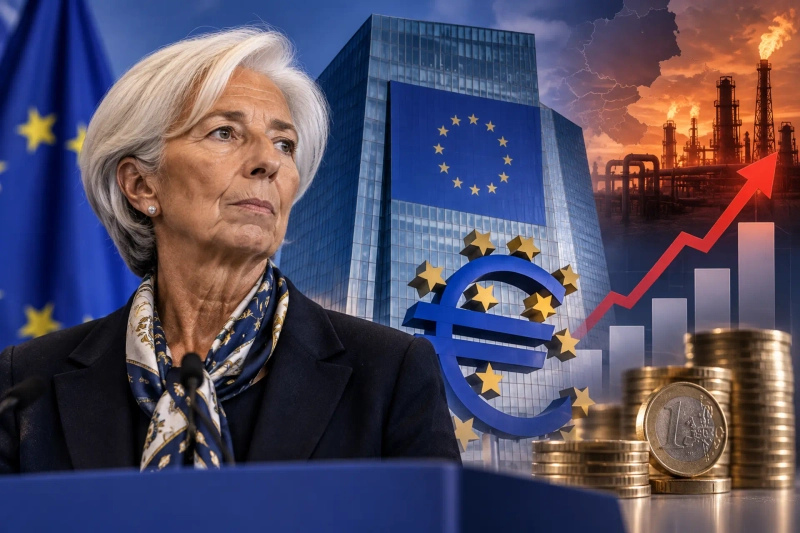
The European Central Bank is poised to raise its deposit rate to 2.5% on September 10 as a surge in energy prices linked to the Iran war keeps inflation well above target.
Bloomberg reported on September 10 that the ECB is expected to lift the deposit rate by 25 basis points at its monetary policy meeting in Berlin. In a Bloomberg survey, all but one economist forecast a rate increase.
If the ECB delivers the move, it would be the second increase since the outbreak of the Iran war, following a hike in June. Unlike the Federal Reserve and the Bank of England, the ECB has been reinforcing its tightening stance to counter energy-driven inflation pressures.
Euro-area consumer inflation rose above 3% last month, the highest level in about three years. Economic growth has also been more resilient than initially expected, bolstering the case for further rate increases.
The ECB's updated economic projections, due the same day, are also set to underscore the case for tighter policy. Markets expect the central bank to raise its inflation forecast for next year from 2.3% and also lift its growth outlook. This year's inflation forecast is likely to remain at 3%.
The policy path after this increase is less clear. Markets have priced in at least two additional rate hikes, while economists are relatively skeptical. ECB officials are also divided over the need for further tightening.
Gediminas Simkus, governor of the Bank of Lithuania, argued that raising rates to 2.5% alone would not be enough to return inflation to the ECB's 2% target. By contrast, ECB Executive Board member Piero Cipollone urged caution, saying excessive tightening could damage the economy.
A 2.5% deposit rate is viewed as the top end of the neutral range that neither stimulates nor restrains economic activity. With global bond yields rising sharply and uncertainty persisting over the Middle East and U.S. trade policy, the ECB may turn more cautious on additional hikes.
ECB President Christine Lagarde is scheduled to hold a press conference after the policy decision. Markets are expected to focus less on the rate increase itself than on any signal from Lagarde about the scope for further tightening.
