Fed Poised to Raise Rates to Appease Wall Street, Critics Say
Summary
- Goldman Sachs said it revised its forecast and now expects the Fed to raise its benchmark rate by 25 basis points at the September FOMC meeting.
- Markets are also pricing in roughly an 86.2% chance of a September rate increase by the Fed.
- Some critics say the rate increase is aimed at calming Wall Street more than reflecting any change in the inflation outlook.
Forecast Trend Report by Period


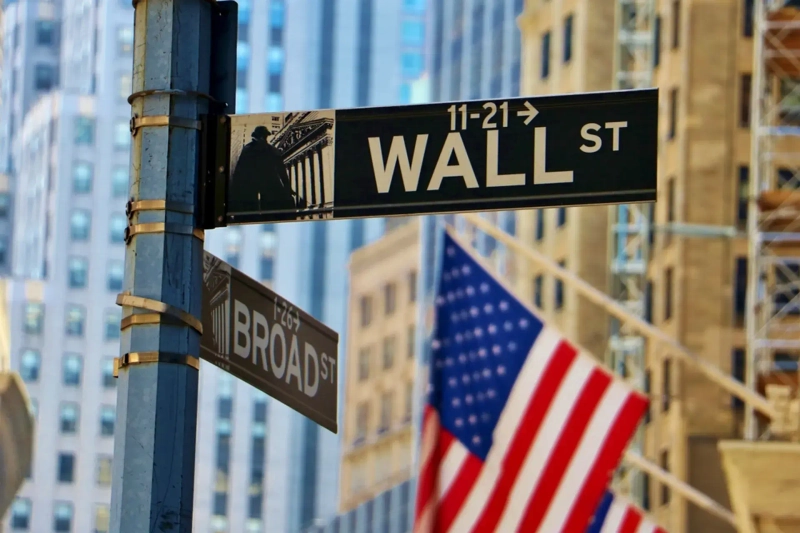
As the likelihood of another Federal Reserve rate increase rises, criticism is growing that any move this month would be driven more by financial markets than by inflation.
CoinDesk reported on September 14 that Goldman Sachs revised its forecast to expect the Fed to raise its benchmark rate by 25 basis points at the September Federal Open Market Committee meeting. With the shift, no major investment bank remains in the camp calling for a pause.
Goldman said the latest consumer price index report led it to raise its estimate for August core personal consumption expenditures inflation slightly, to a 0.26% monthly increase, while leaving its underlying inflation outlook unchanged. Even so, the bank said the FOMC would likely want to avoid the market reaction that could follow a decision to hold rates steady when markets are pricing in roughly a 90% chance of a hike.
Markets are also leaning toward a September increase. CME FedWatch data showed on September 14 that traders were assigning an 86.2% probability to a Fed rate hike on September 16.
Some critics argue the Fed is taking its cue from markets. James Thorne, chief market strategist at Wellington-Altus, said Goldman’s revised call amounted to raising rates to calm Wall Street even though the inflation outlook had not materially changed.
Higher rates will not boost oil production, expand refining capacity or repair damaged supply chains, he said. Instead, they would only weaken demand, investment, employment and household purchasing power.
Thorne added that wage growth has also slowed to 3.1% from a year earlier. There is still no evidence of a wage-price spiral or that the shock from energy prices is feeding through into broader inflation.

Bloomingbit Newsroom
news@bloomingbit.ioFor news reports, news@bloomingbit.io