Warren Says Crypto Rules Are Needed but Opposes Current CLARITY Act
Summary
- Sen. Elizabeth Warren said crypto regulation legislation is necessary while opposing the current CLARITY Act.
- Warren said the current bill lacks adequate safeguards on restrictions on public officials’ crypto investments, national security, consumer protection, and blocking illicit finance and terrorist funding.
- Warren said that if she becomes chair of the Senate Banking Committee, she will directly lead crypto legislation to create a regulatory framework that protects national security and the economy.
Forecast Trend Report by Period


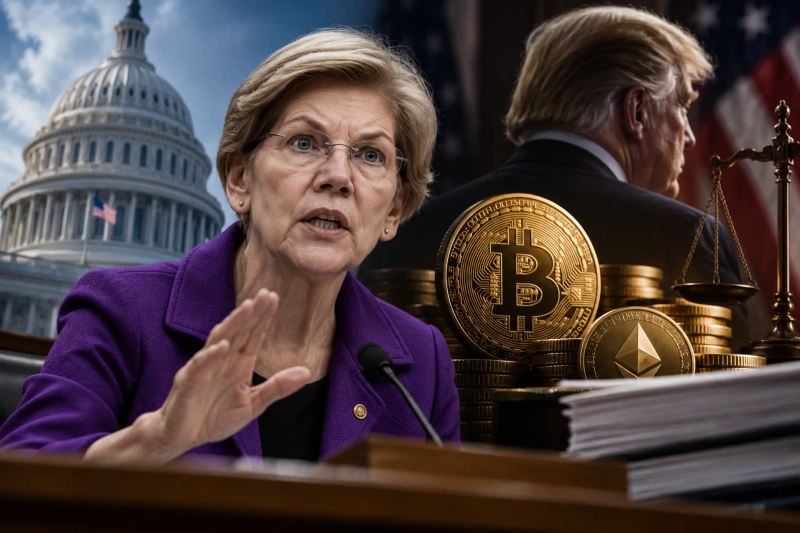
Sen. Elizabeth Warren said new legislation to regulate digital assets is necessary, but that she opposes the current CLARITY Act before the Senate.
The Block reported on September 15 that Warren told reporters the CLARITY Act represents Washington’s first opportunity for meaningful crypto regulation. Still, she said the current bill lacks sufficient provisions on restrictions for public officials’ crypto investments, national security, consumer protection, and measures to curb illicit finance and terrorist funding.
Ethics rules related to President Donald Trump’s crypto interests have emerged as a key sticking point. The current bill requires public officials with significant financial interests in crypto companies to divest those holdings or place them in a blind trust, but Warren and other Democrats argue the measure would be difficult to enforce against a president.
In a counterproposal presented to Republicans on September 15, Democrats proposed extending the ethics rules to Trump’s children and requiring public officials with very large stakes in crypto companies to sell those assets. Sen. Cynthia Lummis, the Republican lawmaker leading the CLARITY Act, rejected the proposal.
Warren also said she would be willing to take the lead on crypto legislation if she becomes chair of the Senate Banking Committee. She said Democrats, Republicans and the industry could work together on meaningful crypto legislation and pledged to build a regulatory framework that protects national security and the economy while addressing corruption.
