Bessent Says Global Issues Drove Treasury Yield Surge as US 10-Year Tops 5%, Highest Since 2007
Summary
- The 10-year U.S. Treasury yield surged above 5%, reaching its highest level since 2007.
- Market participants cited rising international oil prices, expectations for interest-rate increases, expanding artificial intelligence investment, and concerns about the U.S. fiscal position as factors behind the rise in Treasury yields.
- Even after the U.S. Treasury expanded its long-dated bond buybacks, yields continued to rise, and markets are now watching the Federal Reserve’s rate decision on September 16 for the possibility of a rate increase.
Forecast Trend Report by Period


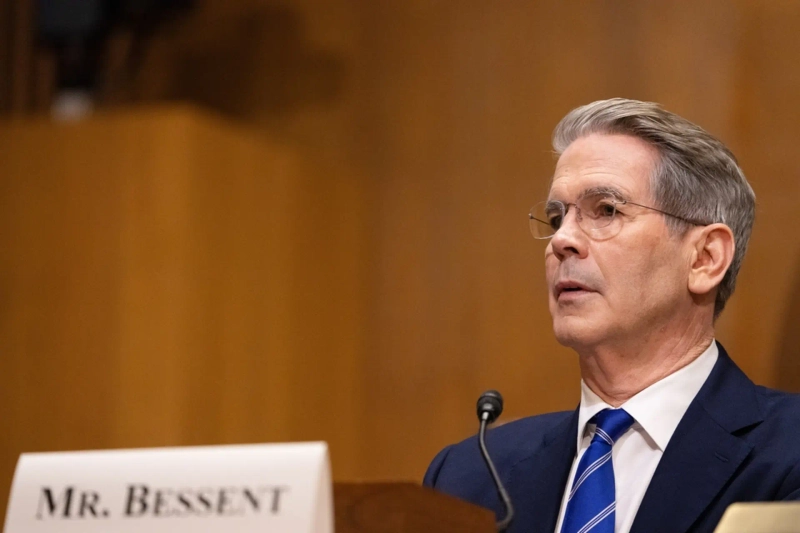
U.S. Treasury Secretary Scott Bessent said global issues were the main force behind the recent surge in U.S. Treasury yields.
Reuters reported on September 15 that Bessent made the remarks to reporters before appearing at a House Financial Services Committee hearing. Asked about the recent rise in Treasury yields, he attributed it to “global issues.”
The yield on the 10-year U.S. Treasury rose above 5% that day, climbing to its highest level since 2007. Yields on government bonds in other major economies also moved higher, extending a selloff across global debt markets.
Market participants have pointed to rising international oil prices driven by concerns over Middle East supply disruptions and expectations that the Federal Reserve will raise interest rates as factors pushing Treasury yields higher. Large funding demand tied to expanded investment in artificial intelligence and concerns about the U.S. fiscal position have also added pressure to the bond market.
At the hearing, Bessent acknowledged that the U.S. fiscal deficit was also contributing to higher long-term Treasury yields. He said the rise in the 10-year yield reflected several factors, including “the need to address the fiscal deficit.”
Yields have continued to climb even after the Treasury Department recently doubled the size of its long-dated bond buybacks. Still, Bessent argued that yields could have risen even more without the buybacks, emphasizing the policy’s effect.
“You have to think about the counterfactual of what would have happened otherwise,” he said. He added that after the buybacks, “the two most successful Treasury auctions in 20 years” were held.
Bessent also argued that the U.S. bond market has delivered the strongest performance among developed markets since the start of the Trump administration.
Markets are also focused on the Federal Reserve’s rate decision on September 16. With oil prices and inflation pressures continuing to build, investors are increasingly betting the Fed will raise its benchmark rate for the first time since July 2023.
