CLARITY Act Sank in Senate as Crypto Industry Pressure Repeatedly Undid Bipartisan Deals
Summary
- Persistent pressure from the crypto industry was cited as a main reason the CLARITY Act failed in the U.S. Senate.
- Multiple aides said Republicans retreated from earlier agreements in response to objections from the crypto industry, including Coinbase and a16z, leading to repeated revisions to the bill.
- The industry pushed back, saying negotiations became more difficult after the Senate substantially revised the CLARITY Act passed by the House, and that it had also made substantial concessions over the past year, including accepting limits on stablecoin rewards.
Forecast Trend Report by Period


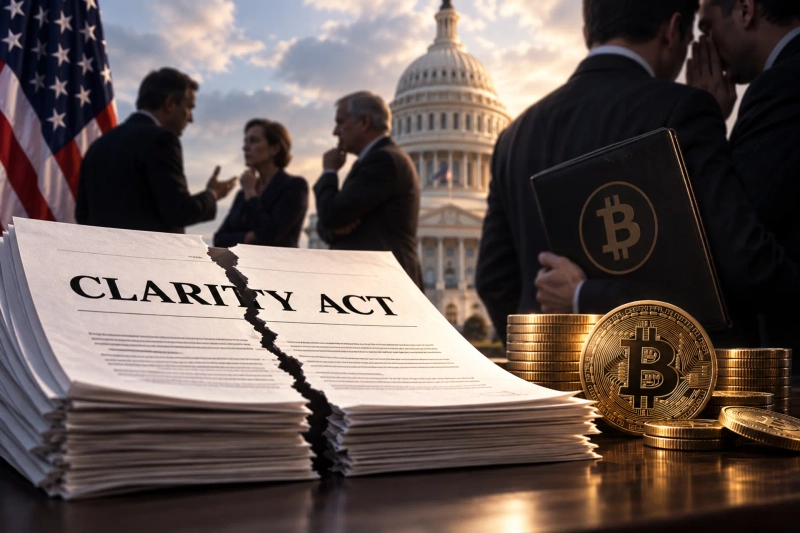
The CLARITY Act, a U.S. digital-asset market structure bill, failed in the Senate in part because sustained pressure from the crypto industry repeatedly upended bipartisan agreements, according to a report.
On September 20, Punchbowl News reporter Brendan Pedersen wrote on X that interviews with more than 12 congressional aides involved in the legislation found that flawed negotiations, wasted time and heavy pressure from the crypto industry were among the main reasons the bill collapsed.
Punchbowl News reported that Democrats and Republicans had spent thousands of hours negotiating since September last year. But even after the two sides reached broad agreements in private talks or drafted specific legislative language, the terms were repeatedly revised after industry objections.
Multiple bipartisan aides said Republicans in some cases backed away from earlier agreements or made major changes after citing pushback from the industry. In negotiations over ethics provisions for public officials tied to crypto, a proposal to give state attorneys general authority to enforce regulations was later withdrawn.
Democrats emerged from the talks distrustful of Republicans' willingness to reject demands from the crypto industry, the report said. As negotiations continued, draft versions of the CLARITY Act swelled by hundreds of pages. Republicans, meanwhile, argued that industry views needed to be reflected because executives at major crypto companies were influential enough to communicate directly with the White House.
Real-time pressure from the industry also made negotiations more difficult. According to the report, when Democratic aides laid out positions in private bipartisan meetings, they were sometimes inundated with complaints from crypto lobbyists before the meetings had even ended.
Aides specifically cited pressure from Coinbase and venture capital firm a16z. The industry, however, countered that negotiations became more difficult after the Senate made sweeping changes to the version of the CLARITY Act that had passed the House. It also argued that the industry had made substantial concessions over the past year, including accepting meaningful limits on stablecoin rewards.
