Republican Criticism of Trump Widens Over Iran War and High Fuel Prices Ahead of Midterms
Summary
- Criticism of President Trump is spreading within the Republican Party over the Iran war and high fuel prices.
- Republican lawmakers are calling for an early end to the Iran war, fuel price stability, and steps including a ban on diesel exports and a gasoline tax holiday.
- As gasoline and diesel prices surge and heating oil prices jump 74%, cost-of-living pressures are mounting ahead of the election, exposing policy differences between the administration and the ruling party.
Forecast Trend Report by Period


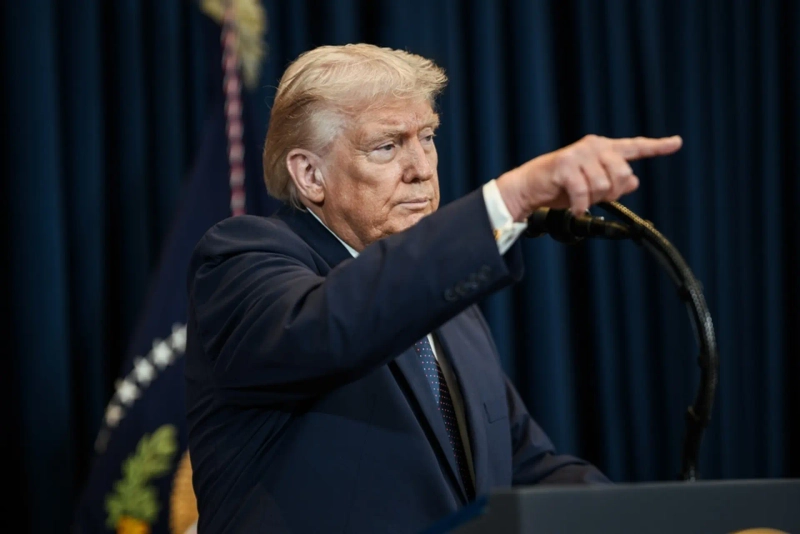
Criticism of President Donald Trump is spreading within the Republican Party ahead of the U.S. midterm elections, centered on the Iran war and high fuel prices.
Bloomberg reported on September 22 that Republican lawmakers are increasingly calling for a swift end to the Iran war and measures to stabilize fuel prices. Some have also publicly broken with Trump by questioning the Trump family's financial dealings and plans for a U.S. visit by Chinese President Xi Jinping.
The shift marks a change in a party that had largely avoided direct criticism of Trump. With about six weeks left before the midterms, the Iran war has sent gasoline and diesel prices sharply higher, while borrowing costs on mortgages and credit cards have also risen. That has pushed cost-of-living pressures to the forefront of the campaign.
Opposition to the Iran war is also building. Republican Representative Ashley Hinson and Mike Rogers, who is running for the U.S. Senate in Michigan, urged Trump to bring the conflict to a quick end. "The war with Iran must end, and it must end quickly," Rogers said.
The Senate is also showing signs of support for ending the war. Senator Thom Tillis, a Republican who is preparing to retire, is poised to join Democrats in a vote this week on a resolution related to war powers over Iran. Senator John Husted, also a Republican, agreed on the need to end the war but did not disclose how he would vote on the resolution.
Lawmakers also stepped up calls for measures to reduce fuel costs. Senator Dan Sullivan called for a ban on diesel exports. Hinson also urged a temporary halt to diesel exports and a suspension of the gasoline tax.
U.S. retail diesel prices rose above $6.50 a gallon for the first time. As pressure mounted on farmers and the transportation industry, Trump said he had urged aides to review a possible diesel export ban. Interior Secretary Doug Burgum and Energy Secretary Chris Wright, however, favor focusing on expanding supply rather than restricting exports.
Senator Susan Collins asked for a release from the Northeast heating oil reserve to respond to a sharp jump in prices. Heating oil prices in Maine, Collins's home state, were up 74% from a year earlier as of last week.
Some Republicans also targeted the Trump family. Senator John Curtis called for an investigation into allegations that a Russian oligarch close to President Vladimir Putin helped support a wedding celebration for Donald Trump Jr. Senate Judiciary Committee Chairman Chuck Grassley and Senator John Cornyn also agreed that an investigation was needed.
Trump's plan to give Xi a lavish welcome during his U.S. visit this week also drew criticism. Senator Roger Wicker, chairman of the Senate Armed Services Committee, said that if the White House had asked for his advice, he would have urged it not to invite Xi to the U.S. and welcome him so lavishly. He argued the focus should instead be on China's military and human rights issues.
Trump has maintained that he is not weighing electoral considerations as he reviews a possible deal with Iran. Still, public calls from Republican lawmakers for policy changes over the prolonged war and rising prices are exposing differences between the administration and the party in power.
