Summary
- The dollar-yen rate is nearing 160 yen per dollar, bringing renewed attention to the possibility of foreign-exchange intervention by the Japanese government.
- The widening U.S.-Japan rate gap and the possibility of additional U.S. rate hikes are sustaining dollar strength and yen weakness.
- The market is questioning the effectiveness of unilateral Japanese intervention, with additional U.S. support and speculative bets on further yen weakness seen as key variables for the next move.
Forecast Trend Report by Period


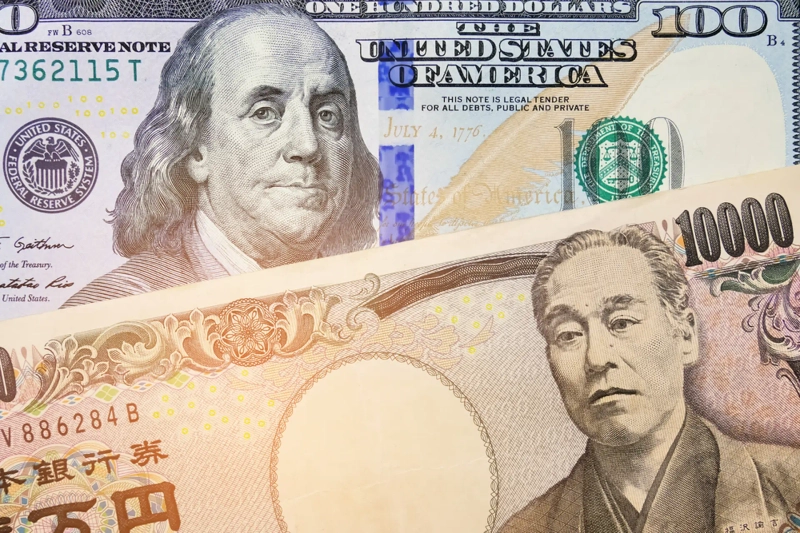
The Japanese yen has weakened for a second straight week and is nearing 160 per dollar, bringing the risk of intervention by Japanese authorities back into focus.
Bloomberg reported on September 24 that the dollar was trading at about 157.85 yen in morning trading in Tokyo. The yen strengthened about 0.3% from a day earlier, but that was not enough to offset its slide over the previous four trading sessions.
The main driver behind the yen's weakness is the policy gap between the U.S. and Japan. The Bank of Japan raised its benchmark interest rate by 0.25 percentage point on September 18, but follow-up remarks from Governor Kazuo Ueda fell short of market expectations for further tightening. In contrast, solid U.S. economic data and inflation concerns have fueled expectations for additional rate increases, supporting the dollar.
Markets are focused on whether Japan will step into the foreign-exchange market if the dollar-yen rate reaches 160. Carol Kong, a currency strategist at Commonwealth Bank of Australia, said the exchange rate could soon rise above 160 if U.S. Treasury yields continue to climb. A rapid move through that level would significantly increase the likelihood of intervention by Japanese authorities.
There is also skepticism that intervention alone would be enough to halt the yen's decline. Matthew Ryan, head of market strategy at Ebury Partners, said it would be difficult for the Japanese government to stem the currency's losses through intervention unless the Bank of Japan signals a willingness to raise rates further.
Whether the U.S. takes part is another key variable. The U.S. bought yen alongside Japan this summer, and U.S. Treasury Secretary Scott Bessent has repeatedly expressed support for a stronger yen. Ray Attrill, head of foreign-exchange strategy at National Australia Bank, said a unilateral intervention by Japan may not have lasting effects, making further U.S. support important.
Speculative trading flows could also weigh on the yen. UBS said most speculative short positions tied to yen weakness have recently been unwound, leaving room for investors to rebuild bearish bets on the currency. With the interest-rate gap between the U.S. and Japan still wide, the bank said the yen could face further downside.
