Summary
- The U.S. Securities and Exchange Commission issued interpretive guidance saying major crypto activities including liquid staking tokens and token buybacks generally do not fall under securities laws.
- The agency said token buybacks on functioning networks and tokens issued through the liquid staking process are difficult to classify as investment contracts, while buybacks on unfinished networks that emphasize price gains or investment returns could be treated as investment-contract securities.
- It also said security management, performance improvements, system upgrades, development support, and marketing focused on functionality and use cases are generally hard to view as essential managerial efforts or conduct emphasizing investment returns.
Forecast Trend Report by Period


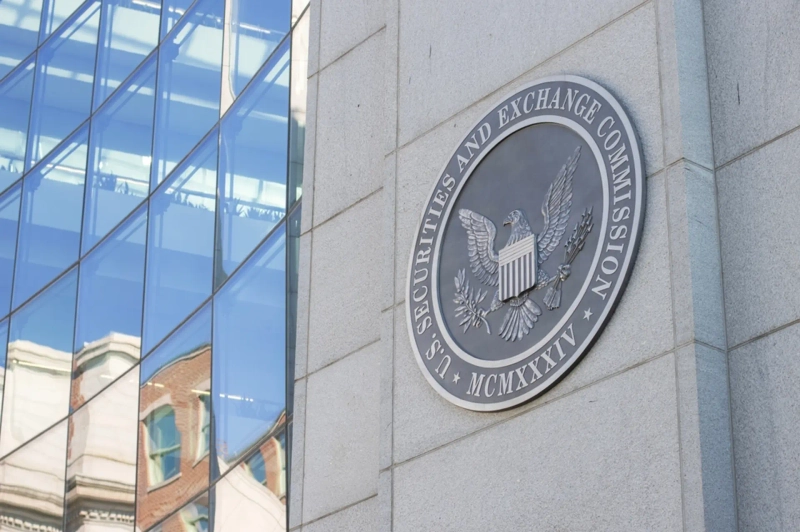
The U.S. Securities and Exchange Commission said major crypto activities such as liquid staking tokens, token buybacks and network maintenance generally do not fall under securities laws.
According to interpretive guidance released by the SEC’s Division of Corporation Finance on Sept. 25, token buybacks conducted on a functioning crypto network do not constitute the issuer’s essential managerial efforts under the Howey test, the standard used to determine whether an asset is a security.
That means a buyback alone is not enough to create an expectation that holders will profit from the issuer’s managerial activities. By contrast, a buyback carried out by the developer of an unfinished network while touting future price gains or investment returns could be classified as an investment-contract security.
The SEC also said tokens issued through liquid staking should, in principle, be treated not as securities but as digital products or tools. If a staking token merely serves as a receipt representing rights to an underlying crypto asset, or if its value is determined by protocol mechanics and market supply and demand, it cannot be treated as an investment contract.
The agency also excluded post-launch activities such as security management, performance improvements, system upgrades and development support from the type of essential managerial efforts that determine whether a token is a security. In other words, a token cannot be deemed a security solely because a developer continues to provide technical support and system updates.
The SEC added that marketing focused on a token’s practical function and use cases, rather than investment returns, generally does not satisfy the requirements for an investment contract. It distinguished between explaining how a token is used on a network and promoting it in a way that encourages expectations of price gains.
