Summary
- Iran said it will maintain its existing conditions for reopening the Strait of Hormuz while awaiting a formal U.S. response.
- The U.S. and Iran discussed reopening the Strait of Hormuz and lifting the U.S. blockade on Iranian ports, but Trump said he rejected Tehran’s proposal.
- Iran’s stance that it will not allow free navigation through the Strait of Hormuz as long as U.S. sanctions and the blockade remain in place is keeping tensions elevated in the Middle East.
Forecast Trend Report by Period


Iran said it will maintain its existing conditions for reopening the Strait of Hormuz, despite U.S. President Donald Trump’s rejection of the proposal, and wait for a formal response from Washington.
Bloomberg reported on September 27 that Iranian Foreign Minister Abbas Araghchi told state broadcaster IRIB a day earlier that the final U.S. position had not yet been delivered through mediators Qatar and Pakistan. While acknowledging Trump’s remarks, Araghchi said only a negotiated settlement could break the deadlock over the Strait of Hormuz.
U.S. and Iranian negotiators had previously discussed a plan under which Iran would reopen the Strait of Hormuz in exchange for the U.S. lifting its blockade on Iranian ports, according to the report. The proposal was similar to a memorandum of understanding the two sides reached in mid-June. A ceasefire based on that agreement later collapsed.
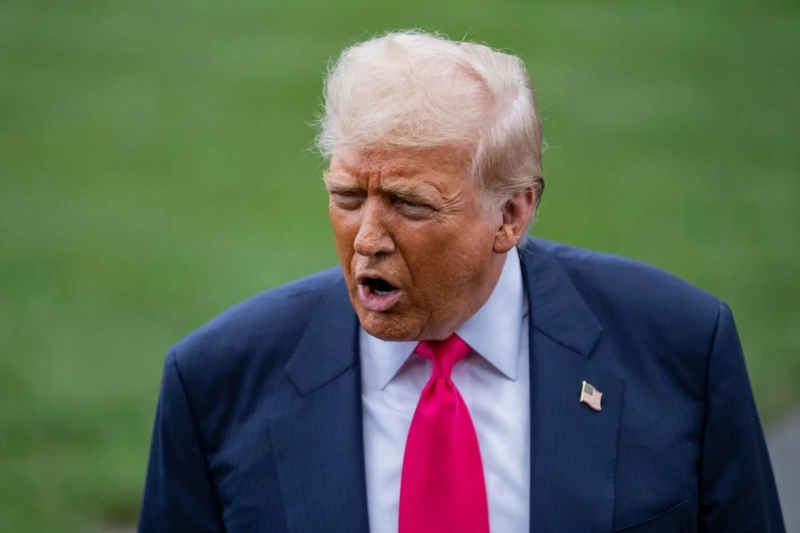
Trump told reporters on September 26, as he left the White House, that he had rejected Iran’s proposal. He said Tehran was seeking an immediate agreement to reopen the strait after finding itself in a weaker position in the war. The Wall Street Journal reported that Trump doubts Iran’s willingness to carry out any deal and is considering the possibility of resuming airstrikes on Iran after the U.S. midterm elections in November.
Military tensions across the Middle East have continued as negotiations remain deadlocked. A Saudi-backed coalition in Yemen said on September 26 that it intercepted two drones launched by Houthi rebels toward Riyadh and one ballistic missile aimed at Khamis Mushait in southern Saudi Arabia. About a week earlier, missile attacks triggered air-raid sirens in Riyadh.
Iran has also maintained its position on restoring normal passage through the Strait of Hormuz and on its nuclear program. Iranian President Masoud Pezeshkian said at the United Nations General Assembly last week that Tehran would not allow free navigation through the strait as long as U.S. sanctions and the blockade remain in place. Iran has also said it will not give up what it regards as its right to develop nuclear technology for economic purposes.
The U.S. and Iran could still continue negotiations over reopening the strait and lifting the blockade, but tensions in the Middle East remain elevated as the two sides have yet to narrow their differences over the terms.
