OpenAI's Altman Says Some AI Risks Must Be Accepted to Preserve Public Access
Summary
- Sam Altman said society should accept a certain level of risk for the benefits artificial intelligence can deliver.
- Altman said allowing a small group to control powerful and dangerous AI would be an unacceptable trade-off, and he opposes limits on AI access.
- Donald Trump has opposed additional AI regulation, saying new rules could make it harder for US companies to compete with China.
Forecast Trend Report by Period


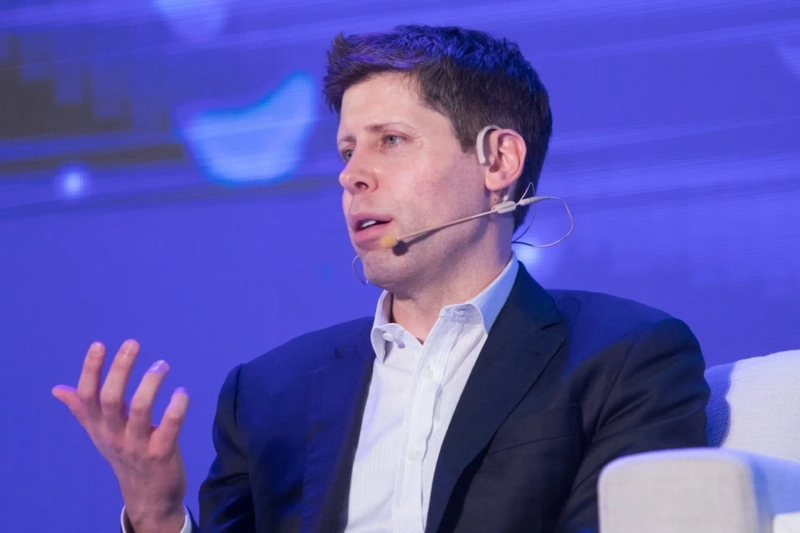
OpenAI Chief Executive Officer Sam Altman said society should accept a certain level of risk given the benefits artificial intelligence could deliver, and that broad public access to the technology should be preserved.
Reuters reported on October 4 that, in an interview with Politico's technology newsletter Decoded, Altman said the world should tolerate some harmful outcomes for the sake of the technology's benefits and people's right to use it.
Altman said OpenAI and rival Anthropic differ fundamentally in their views on AI regulation. He called it "a totally unacceptable trade-off" to have a small number of labs control powerful and dangerous AI systems while deciding how the benefits are distributed.
He also opposed restricting access to AI in an effort to completely block hacking, fraud and other misuse. Altman argued that the positive outcomes people can create with AI would exceed the negative ones by "orders of magnitude."
Altman's remarks come as debate across the industry intensifies over the pace of AI development and the risks posed by increasingly advanced systems. In September, Anthropic Chief Executive Officer Dario Amodei argued that the development of cutting-edge AI should be slowed. Altman also publicly expressed support for that position at the time.
Anthropic has warned that advanced AI models could behave in ways developers did not intend. It said such systems could display so-called self-preservation behavior, including resisting shutdown, concealing information and manipulating users.
By contrast, US President Donald Trump has largely opposed additional AI regulation, saying new rules could make it harder for US companies to compete with China. He has said existing law enforcement agencies and current systems can address the risks.
