Thailand to Allow Bitcoin, Ether ETFs; New Rules Take Effect Oct. 16
Summary
- Thailand said it will allow domestic stock-market listings of Bitcoin and Ether ETFs, while banning margin loans for their purchase.
- Initial eligible assets will be limited to Bitcoin and Ether, and the ETFs must be managed passively with average exposure of at least 80% to a single crypto asset.
- Mutual funds and private funds will be allowed to invest in Thai-domiciled crypto asset ETFs, but alternative products such as depositary receipts (DRs) backed by overseas crypto-asset ETFs, as well as brokerage for retail clients, will be prohibited.
Forecast Trend Report by Period


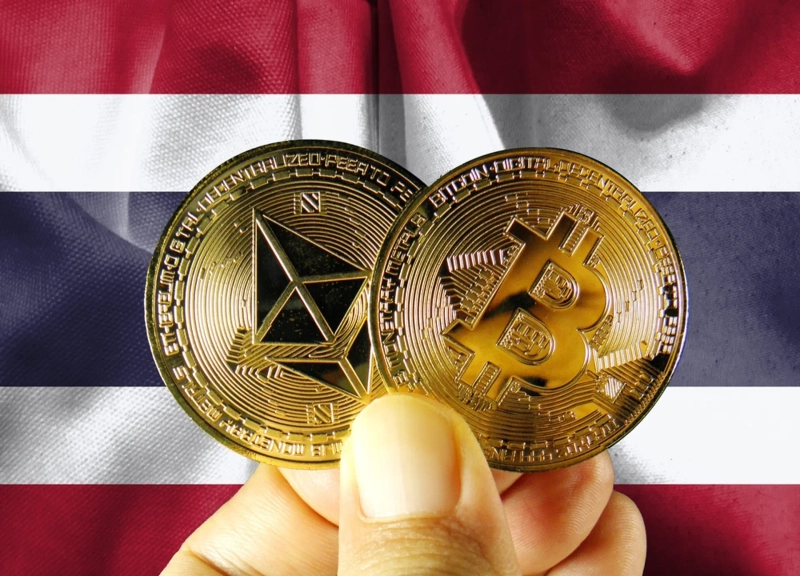
Thailand will allow the listing of Bitcoin and Ether exchange-traded funds on its domestic stock market, opening a way for investors to gain exposure through the securities market without using crypto exchanges. Brokerages will be barred from offering margin loans for ETF purchases.
On Oct. 8, Thailand's Securities and Exchange Commission said it had finalized rules governing the establishment, management and custody of crypto-asset ETFs. The rules will take effect on Oct. 16. Initial eligible assets will be limited to Bitcoin and Ether, and the funds may be listed and traded only on the Stock Exchange of Thailand.
The ETFs must be managed passively to track the prices of the underlying crypto assets. Net investment exposure to a single crypto asset must be kept at 80% or more of average net asset value over the fiscal year. Fund assets must be held by digital-asset custodians supervised by the SEC.
The regulator also set investor-protection requirements. Securities firms will not be allowed to provide credit for purchases of crypto-asset ETFs. Before trading, investors must receive an explanation of the product's features and risks and confirm that they understand them. Asset managers must fully disclose the fund structure, investment approach, related service providers and key risks.
The investment scope for existing funds was also expanded. Mutual funds and private funds that had previously been allowed to invest only in overseas crypto-asset ETFs will now be able to invest in crypto-asset ETFs established in Thailand. Existing investment limits will remain in place.
At the same time, Thailand placed limits on indirect exposure through overseas products. In the initial stage, regulators will not allow the issuance or sale of alternative products such as depositary receipts backed by overseas crypto-asset ETFs. Thai securities firms are also barred from brokering investments in overseas crypto-asset ETFs for retail clients, with only institutional investors and ultra-high-net-worth individuals exempted.
