Trump Says Ukraine Needs New President, Pressuring Zelenskiy’s Removal
Summary
- The U.S. said it had agreed to expand supplies of Russian diesel and ease some sanctions in an effort to stabilize diesel prices.
- Russia said it plans immediate fuel exports of 300,000 tons to the U.S. and other global markets, with total shipments later rising to 4.8 million tons.
- Zelenskiy called the move an investment in a war that should be ended and said he opposed allowing the fuel exports.
Forecast Trend Report by Period


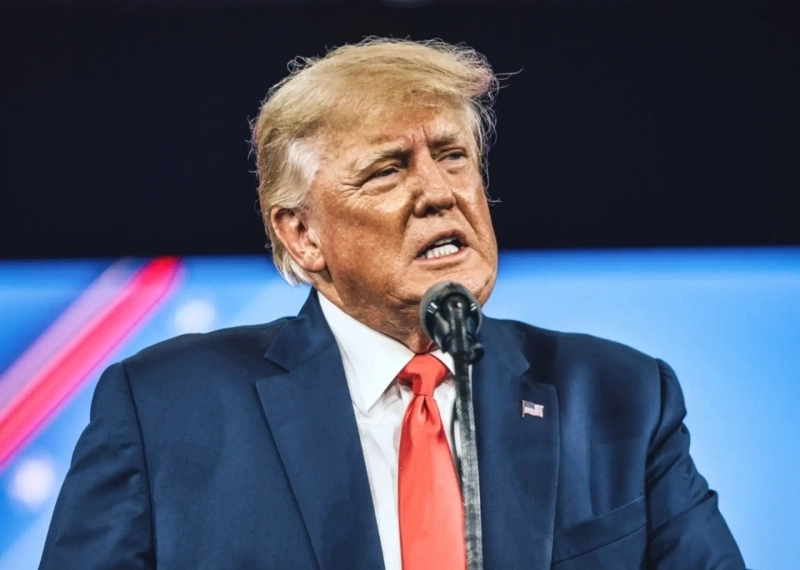
President Donald Trump publicly raised the prospect of replacing Ukrainian President Volodymyr Zelenskiy after Ukraine objected to a U.S.-Russia agreement to increase supplies of Russian diesel, widening tensions into a dispute over the country's leadership.
Trump told reporters at the White House on October 10 that Ukraine needs a new president. He also argued that Zelenskiy had multiple opportunities to end the war but failed to take them.
Ukraine and Russia reacted differently. Ukrainian Foreign Minister Andrii Sybiha wrote on X that only the Ukrainian people have the right to choose their leader. He added that Zelenskiy is leading the war to defend the country's independence and freedom with public support, and that support from allied nations is continuing.
By contrast, Kirill Dmitriev, Russian President Vladimir Putin's special representative for foreign investment and economic cooperation, described Trump's remarks as "symbolic and historic." He interpreted them as Trump joining the view that Ukraine needs a leader who puts peace first.
The clash followed Trump's post on Truth Social on October 9 saying he had reached an agreement with Putin to expand diesel supplies. Under the plan, Russia would immediately ship more than 300,000 tons to the U.S. and other global markets, with additional volumes later bringing the total to 4.8 million tons. The Russian government said the following day that it would partially lift export restrictions and begin supplying volumes tied to overseas contracts.
The U.S. eased some sanctions on Russian fuel to stabilize diesel prices. Zelenskiy criticized the move as "an investment in a war that must end." He opposed allowing fuel exports at a time when Russia, in his view, should be under greater pressure.
Separately, Russia's Tass news agency, citing a source, reported that Steve Witkoff, the U.S. president's special envoy, and Jared Kushner may visit Moscow within the next two weeks. The two previously met Ukrainian and European officials to discuss ways to end the war.
