PiCK
US Citizen Killed in Houthi Attack on Riyadh Airport; Trump Says Military Role Under Review
Summary
- A US citizen was killed in a Houthi rebel strike on Riyadh airport, increasing the chances of direct US military intervention.
- A series of Houthi attacks prompted executives from major oil companies including BP and Shell to cancel attendance at the World Petroleum Congress, while Riyadh’s financial district shifted to remote work.
- Saudi Arabia, facing rising fiscal strain as it pushes ahead with Vision 2030, raised its budget deficit forecast and said it expects the economy to contract 3.6% this year.
Forecast Trend Report by Period


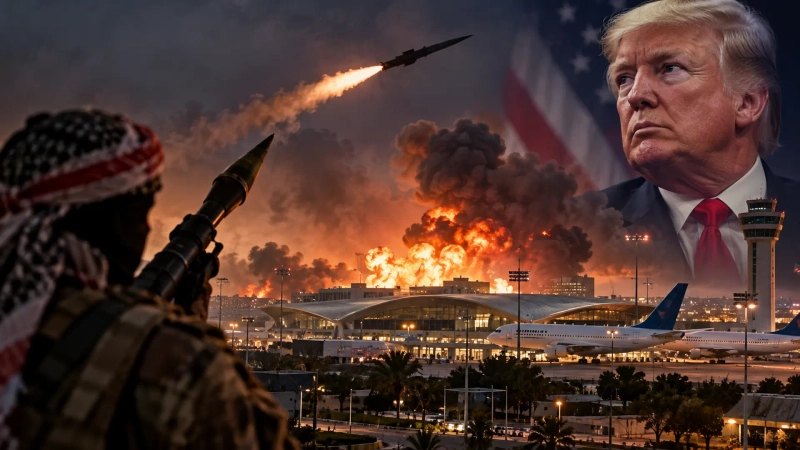
The death of a US citizen in a Houthi rebel attack on Riyadh airport is increasing the possibility of direct US military involvement.
Bloomberg reported on October 11 that an attack on Riyadh International Airport on October 10 killed 12 people and injured 309. The dead included an American. Another unidentified projectile struck the airport on October 11, the fourth such attack in the past week.
The Saudi-led coalition blamed the Houthis for the attack and called it a war crime. The Houthis did not claim responsibility for the October 10 strike, but said earlier attacks were their work. They also warned of more attacks on Saudi airports.
The latest violence is also raising the chances of US military involvement. Asked on October 10 whether the US could join airstrikes against the Houthis, President Donald Trump said, “It’s possible. I’ll consider it.” The US agreed to a ceasefire after carrying out large-scale airstrikes against the Houthis last year. Since then, it has limited support for Saudi operations to intelligence sharing.
The attacks came as Yemen’s civil war intensified again. Last month, the Houthis captured the Red Sea port city of Mocha and areas near the Bab el-Mandeb Strait. Yemeni government forces, backed by the Saudi air force, then launched a counteroffensive. The Saudi-led coalition said it had retaken Mocha and destroyed multiple Houthi military facilities.
Ahmed Nagi, the International Crisis Group’s senior Yemen analyst, said the Houthis were stepping up attacks to pressure Saudi Arabia into halting airstrikes. Saudi Arabia views the latest strike as a serious provocation, increasing the likelihood of a stronger military response.
The Houthis have refrained from direct involvement since the US and Israel's war against Iran began in February. Their recent attacks, however, have prompted assessments that they are showcasing independent military capability. They have used Iranian-designed ballistic missiles and low-cost attack drones that can be assembled locally to strike key Saudi facilities.
Saudi Arabia has advanced US-made weapons, including F-15 fighter jets and Patriot air-defense systems, but it has failed to stop the repeated attacks. Disruptions at Riyadh International Airport led to the cancellation of hundreds of flights, and local schools shifted to online classes.
Stacie Pettyjohn, a senior fellow at the Center for a New American Security, said it would be extremely difficult for Saudi Arabia to stop Houthi attacks on its own when even the US has failed to do so. The Houthis also appear to have rebuilt their weapons stockpiles and military capabilities since the ceasefire with Washington.
The response from Turkey and Pakistan, both Saudi defense partners, is another variable. The two countries signed the Mecca Defense Alliance with Saudi Arabia in August. They indicated they could provide troops and weapons to help defend the kingdom, though Turkey has said it will not take part in offensive operations against the Houthis.
The string of Houthi attacks is also weighing on the Saudi economy. Executives from major oil companies including BP and Shell canceled plans to attend the World Petroleum Congress, which had been set to open on October 11. Riyadh’s financial district, home to the Saudi sovereign wealth fund and global financial firms, also shifted to remote work.
Saudi Arabia has poured vast sums into Crown Prince Mohammed bin Salman’s Vision 2030 economic diversification plan. But the importance of attracting foreign investment has grown as fiscal strains have increased. The Saudi government this month raised its budget deficit forecast and said it expects the economy to contract 3.6% this year.
William Usher, a former senior Middle East analyst at the Central Intelligence Agency, said Saudi Arabia would want direct US airstrikes on the Houthis, stronger support for its air defenses and broader intelligence sharing. It would also seek political backing for expanded military operations in Yemen.
