PiCK
Hotter US Inflation, AI Debt Fears Weigh on Wall Street; Nasdaq Drops 1.88%
Summary
- New York stocks, led by technology shares, fell as US inflation came in above expectations and concerns mounted over the debt burden at AI companies.
- A rise in September CPI and core CPI briefly pushed the probability of a rate increase above 50%, highlighting the risk of further tightening.
- A plunge in AI-related stock CoreWeave, a 4.3% drop in the Philadelphia Semiconductor Index, and a stronger dollar added pressure across risk assets.
Forecast Trend Report by Period


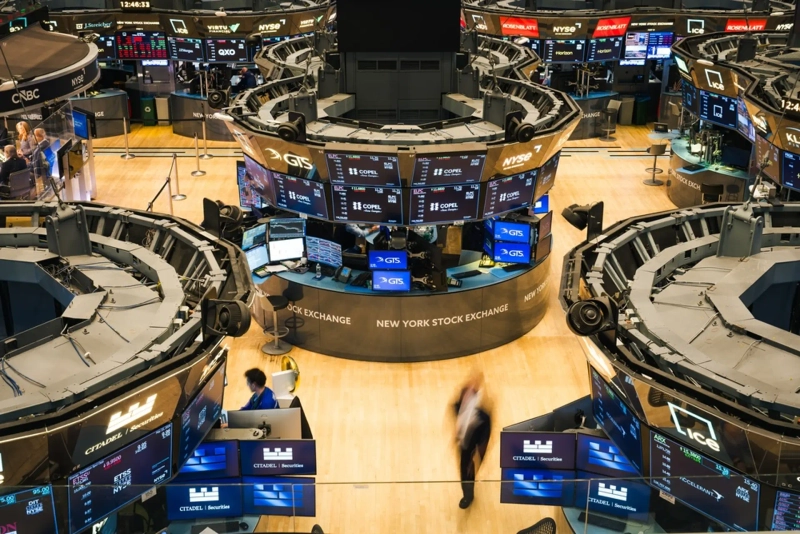
Higher-than-expected US inflation and concerns over debt burdens at artificial intelligence companies weighed on New York stocks. Technology shares led the decline as investors grew more wary of further rate increases and questioned the sustainability of rising AI investment.
The Nasdaq Composite closed at 26,692.87 on Oct. 14, down 511.51 points, or 1.88%, from a day earlier. The S&P 500 fell 86.51 points, or 1.11%, to 7,718.94. The Dow Jones Industrial Average slipped 48.62 points, or 0.09%, to 51,621.48, posting a relatively smaller decline.
September consumer price data released that day added to the pressure. The US Labor Department said headline CPI rose 3.7% from a year earlier, up from 3.4% in August and above the market forecast of 3.6%. Core CPI, which excludes food and energy, also topped estimates, rising 2.6% from a year earlier and 0.3% from the previous month.
Interest-rate futures reacted immediately. The probability of an October rate increase jumped to 51.5% after the inflation report from 22.1% the previous day. The odds later fell back into the 30% range in afternoon trading, but the move still revived concerns about further tightening among investors who had been betting on easing inflation.
AI-related stocks were hit by a separate concern. Shares of cloud company CoreWeave plunged 15.46% on worries that its borrowing burden had become excessive as it rapidly expanded its data-center footprint.
Yields on bonds CoreWeave issued to finance data-center investment climbed to nearly 15%. Investor anxiety deepened after Tesla Chief Executive Officer Elon Musk also voiced concern. CoreWeave's CEO, by contrast, called the market reaction "irrational" and expressed confidence in the company's business model.
The selloff spread to semiconductor stocks. The Philadelphia Semiconductor Index fell 4.3%. SanDisk dropped 5.97%, SK Hynix ADRs lost 4.02%, and Micron Technology declined 3.88%. Intel and AMD fell 3.20% and 2.28%, respectively.
The bond market reversed course during the session. Treasury yields, which had surged after the inflation report, gave back those gains as weaker equities drove demand for haven assets and investors awaited follow-up inflation data. As of 3 p.m., the yield on the benchmark 10-year Treasury stood at 5.189%, down 0.027 percentage point from the previous close.
The dollar remained firm. The dollar index, which measures the greenback against six major currencies, touched 102.94 at one point, the highest level in 18 months. It later pared gains and ended at 102.53.
