PiCK
Samsung Electronics, SK Hynix Fall More Than 6% in Pre-Market After U.S. Chip Selloff
Summary
- Samsung Electronics and SK Hynix fell more than 6% in Nextrade's NXT pre-market session.
- Selling pressure intensified as U.S. semiconductor stocks and the Nasdaq Composite fell together and CPI came in above expectations.
- Concerns over AI investment costs and delays in data-center investment raised the possibility of slower memory demand for products including HBM and server DRAM.
Forecast Trend Report by Period


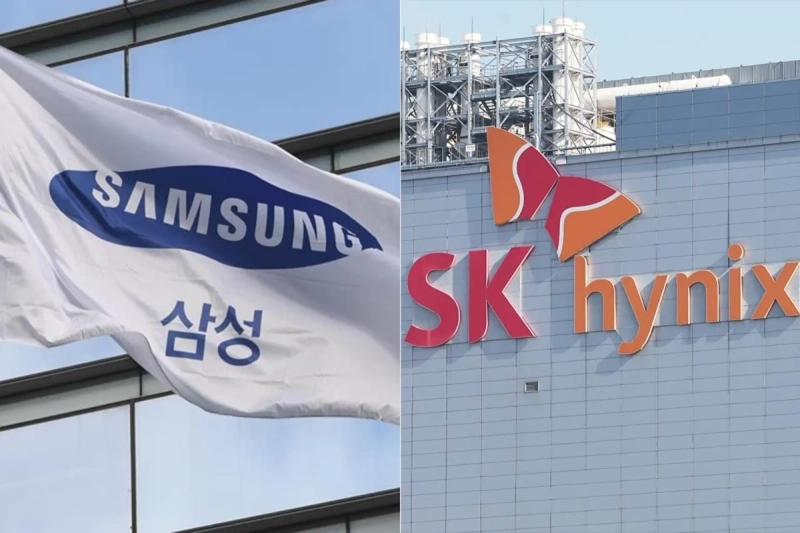
Samsung Electronics Co. and SK Hynix Inc. each fell more than 6% in pre-market trading ahead of the Korea Exchange open on Oct. 15. The declines followed a sharp drop in U.S. semiconductor stocks, with concerns over debt burdens at artificial intelligence companies and the risk of additional rate hikes adding to selling pressure on South Korean chipmakers that had been expected to benefit from expanding AI investment.
The two stocks each posted losses of more than 6% in Nextrade's NXT pre-market session, compared with the previous trading day. The pre-market session allows stock trading from 8 a.m. to 8:50 a.m. before the Korea Exchange opens for regular trading.
U.S. semiconductor shares fell across the board overnight. The Philadelphia Semiconductor Index dropped 4.3% on Oct. 14. Sandisk and Micron Technology fell 5.97% and 3.88%, respectively, while the tech-heavy Nasdaq Composite slid 1.88%.
Concern over the cost of AI investment was at the center of the selloff. AI cloud company CoreWeave plunged 15.46% as attention focused on its swelling debt load from data-center expansion. Higher-than-expected U.S. inflation added to the pressure. The consumer price index for September rose 3.7% from a year earlier, above market expectations of 3.6%.
The unease could also weigh on growth expectations for Samsung Electronics and SK Hynix. The two companies supply high-bandwidth memory, or HBM, server DRAM and storage devices used in AI servers. If data-center investment slows, growth in memory orders and shipments could also lose momentum. Because the stocks had been seen as beneficiaries of increased AI spending, they appeared to react sharply to doubts about the sustainability of that investment.
