Two UAE Cargo Ships Sink in Strait of Hormuz After Attacks as Tensions Stoke Oil Price Fears
Summary
- Two cargo ships owned by a UAE shipping company sank in succession in the Strait of Hormuz, raising concern that escalating tensions in the Middle East could drive up international oil prices.
- Iran has sharply increased attacks on merchant ships around the Strait of Hormuz, widening both the range and targets of those strikes and deepening anxiety over Gulf crude shipments.
- As Iran expanded its attacks, December-delivery Brent crude futures on ICE Futures Europe in London climbed to $106.06 a barrel before pulling back into the $104 range.
Forecast Trend Report by Period


As U.S. protection boosts crude shipments
Iran widens targets and range of attacks on merchant ships
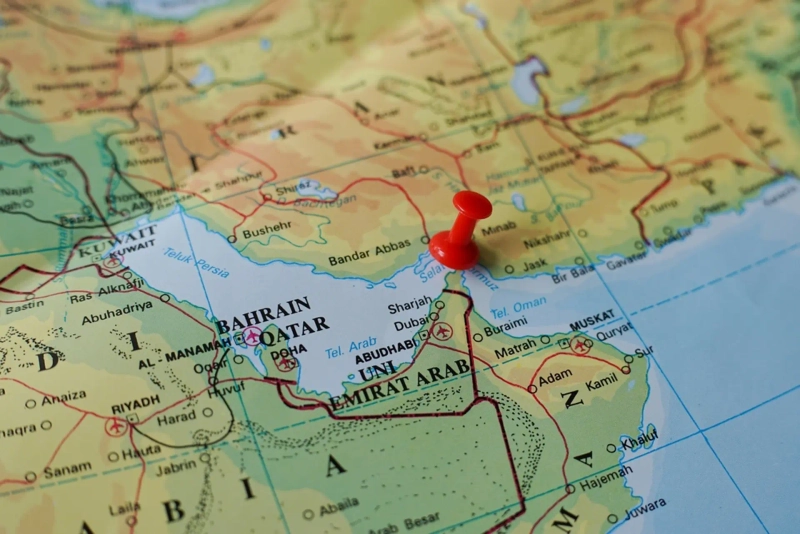
Two cargo ships owned by a United Arab Emirates shipping company have sunk in quick succession after coming under attack in the Strait of Hormuz. The incidents are fueling concern that escalating tensions in the Middle East could lift international oil prices.
The Wall Street Journal reported on Oct. 15 that the UAE-owned cargo ships GFS Pride and Cape Dao had sunk. Merchant ships and tankers have often come under Iranian attack in the strait, but these were only the second and third vessels to sink. One ship went down in March as the war intensified, and there had been no similar cases since.
The latest sinkings come as Iran sharply increases efforts to disrupt crude shipments from the Gulf. Iran's Revolutionary Guard released what it said was footage of the GFS Pride sinking and claimed the vessel had passed through a dangerous route. Cape Dao sank about three weeks after two projectiles struck its port side about 27.8 kilometers northeast of Khasab, Oman, on Sept. 23.
Iran, whose oil exports have been blocked by a U.S. naval blockade, has recently stepped up attacks on merchant ships around the Strait of Hormuz.
According to maritime intelligence firm Windward AI, there were 12 attacks on merchant ships in the Strait of Hormuz area last week, the highest weekly tally since the start of the Iran war. The number of vessels attacked this month has risen to 24, setting another weekly record.
Most of the vessels attacked recently were passing through the southern shipping lane of the Strait of Hormuz near Oman under U.S. protection. Michelle Wiese Bockmann, a shipping intelligence analyst at Windward AI, said the locations of the sunken ships suggest Iran has widened both the range and targets of its attacks. The increase has coincided with higher crude volumes moving through the strait and Iran's weakening control, she added.
As attacks expanded, Brent crude futures for December delivery on ICE Futures Europe in London rose 0.35% from the previous session to $106.06 a barrel the day before. Prices fell back into the $104 range on Oct. 15.
Kim Ju-wan, Hankyung.com reporter kjwan@hankyung.com

Korea Economic Daily
hankyung@bloomingbit.ioThe Korea Economic Daily Global is a digital media where latest news on Korean companies, industries, and financial markets.