PiCK
Nasdaq Falls 2.6% as Fears Over AI Investment Costs Trigger Selloff
Summary
- The Nasdaq Composite fell 2.60% as selling spread across technology stocks on concerns over the cost of AI investment and uncertainty over when returns will be realized.
- Meta fell about 7% as expanded AI investment drove higher capital spending and a free-cash-flow deficit, while its plan to introduce a new class of shares added to dilution concerns.
- Shares of semiconductor and AI infrastructure companies, along with the Philadelphia Semiconductor Index, tumbled, while money moved into the US 10-year Treasury, sending the yield down to 4.97%.
Forecast Trend Report by Period


Selling spreads on concerns over AI investment costs
Meta drops 7%; semiconductor index sinks 6.7%
US 10-year Treasury yield falls below 5%
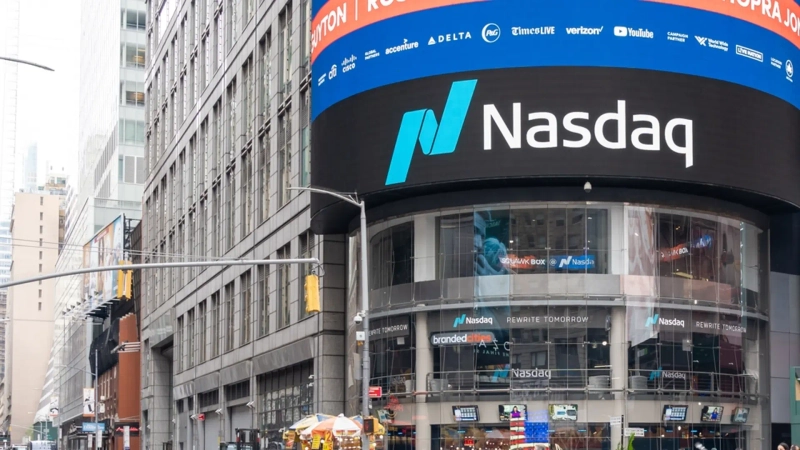
Concerns over artificial-intelligence spending swept through US technology stocks. Questions about how companies will finance the huge sums being poured into data centers and semiconductors, and when those investments will generate returns, triggered broad selling. The Nasdaq posted its biggest decline since June.
On Oct. 22, the Nasdaq Composite fell 694.00 points, or 2.60%, to close at 26,008.86 in New York. The S&P 500 dropped 93.74 points, or 1.21%, to 7,663.43. The Dow Jones Industrial Average, by contrast, edged up 11.89 points, or 0.02%, to 52,867.98.
Meta was at the center of the selloff. Revenue beat market expectations, but net income fell short of forecasts, and concern over the burden of AI spending pushed the stock down about 7%. Investors were more sensitive to the impact of rising spending on cash flow than to topline growth.
Meta revised its capital-expenditure outlook for this year to $135 billion to $145 billion, from a previous $130 billion to $145 billion. Third-quarter free cash flow swung to a deficit of $2.12 billion from a surplus of $10.63 billion a year earlier. The company also announced plans to introduce a new class of non-voting shares to help finance AI investment.
That deepened concern that the strain from the AI investment race could spread beyond borrowing and into equity markets. If high interest rates make it harder for companies to take on more debt, they may turn to issuing new shares instead, diluting the value of existing holdings. Matthew Maley, chief market strategist at Miller Tabak, said the selloff was driven by a growing recognition that recouping those investments could take longer than expected.
Semiconductor and AI infrastructure companies also fell on those fears. Nvidia dropped 4.4% and CoreWeave slumped 10.1%. SpaceX also traded lower. The Philadelphia Semiconductor Index tumbled 6.7%, while Intel, AMD, SanDisk and Marvell Technology each fell more than 8%.
Comments from Nvidia Chief Executive Officer Jensen Huang also highlighted the funding issue. Demand from AI-focused cloud providers known as neoclouds remains very strong, he said, but they lack the working capital needed to support that growth. Even if customer orders increase, expansion can be constrained if companies cannot secure enough money upfront to build servers and data centers.
Money leaving technology stocks flowed into the relative safety of US Treasuries. The yield on the 10-year Treasury fell to 4.97% on Oct. 22 from 5.13% a day earlier. Strong demand for bonds pushed prices higher and yields lower. Funds that had been concentrated in AI growth expectations are now shifting into safe-haven assets as investors weigh profitability and financial strain.
