SK Hynix Price Targets Span 1.65 Million Won to 4 Million Won, Fueling Retail Investor Anger
Summary
- South Korean brokerages have set SK Hynix price targets ranging from 1.65 million won to 4 million won, deepening confusion among retail investors and raising questions about trust in analyst reports.
- Most firms kept buy ratings and upbeat earnings forecasts tied to HBM and AI, but their price targets and assumptions about industry conditions differed widely.
- Market participants say confidence in research reports can recover only if brokerages disclose the basis for target-price calculations and establish a practice of post-report reviews.
Forecast Trend Report by Period


Brokerage Price Targets for SK Hynix Diverge Sharply
SK Securities and Kyobo Set 4 Million Won Targets; BNK Investment & Securities Sees 1.65 Million Won
'Post-Report Review Practices Needed to Restore Trust'
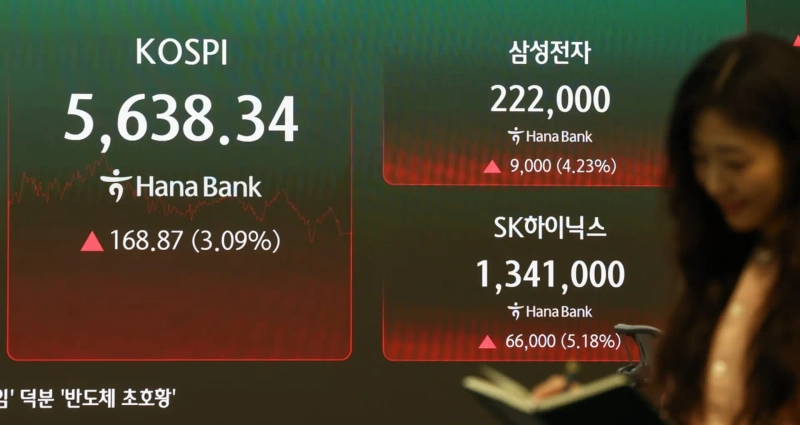
South Korean brokerages are offering widely different price targets for SK Hynix even after the chipmaker posted record earnings and unveiled a shareholder return plan, adding to investor confusion. Some firms see the stock rising as high as 4 million won, citing demand for high-bandwidth memory, or HBM. Others put the target at 1.65 million won, pointing to the possibility of slowing artificial intelligence investment. The gap is fueling complaints among retail investors about the basis for the forecasts and the credibility of the analysis.
According to the financial investment industry on Oct. 29, major domestic brokerages set SK Hynix target prices in a range of 1.65 million won to 4 million won after the company released third-quarter results. Most maintained buy ratings, while some raised their targets.
SK Hynix posted third-quarter revenue of 104.6 trillion won, up 327.9% from a year earlier. Operating profit jumped 632.1% to 83.3 trillion won, with the operating margin reaching 79.7%. Higher DRAM and NAND flash prices, along with stronger sales of high-value products, helped the company beat market expectations.
Brokerages forecast further improvement in fourth-quarter results. SK Securities said deeper memory supply shortages and rising memory prices as HBM4, the sixth generation of HBM, begins to be reflected more than offset the impact of a weaker dollar against the won. The firm projects fourth-quarter operating profit of 105 trillion won, which would usher in an era of quarterly operating profit above 100 trillion won.
It maintained a buy rating and kept its target price at 4 million won. The brokerage said SK Hynix has outlined a view that memory demand will remain in a favorable supply-demand phase through 2030. It added that the case for AI infrastructure investment remains strong and that the structure of memory demand supports greater earnings visibility and stability. Kyobo Securities also set a 4 million won target.
BNK Investment & Securities, known for conservative target prices, raised its target for SK Hynix to 1.65 million won from 1.48 million won. That leaves a 2.35 million won gap with the 4 million won targets from SK Securities and Kyobo Securities. BNK said the higher target reflects stronger-than-expected second-half earnings and an increase in HBM prices early next year. It also said the shares look oversold in the short term relative to earnings and that sentiment toward AI investment is improving as credit risk in the AI industry, which had surged recently, eased again through Anthropic's IPO. The firm expects the stock to rebound.
At the same time, BNK said the slowdown in memory demand momentum will continue after peaking in the second quarter. It kept a hold rating, saying the direction of low price-to-earnings multiples will persist given credit risk among AI companies and the prospect of interest rates staying high.
KB Securities, which has long taken a bullish view on semiconductors, cut its SK Hynix target price to 3.5 million won from 4.2 million won. The brokerage estimated fourth-quarter operating profit at 89 trillion won and kept its buy rating. It lowered the target by 700,000 won even as it took a positive view on a record 100 trillion won shareholder return plan and future industry conditions.
IBK Investment & Securities also lowered its target price to 3.2 million won from 4 million won. The firm kept a buy rating and said the stock remains undervalued relative to earnings. It said the lower target reflects not concern about memory industry conditions but the gap between the current share price and its target.
Hana Securities kept its target at 3.6 million won and raised its forecast for next year's operating profit to 464 trillion won. Daol Investment & Securities and NH Investment & Securities estimated fourth-quarter operating profit at 101 trillion won and 102.7 trillion won, respectively. BNK also forecast operating profit of 103.6 trillion won.
Hanwha Investment & Securities focused on the company's view that memory shortages could continue through 2030, given the technical difficulty of advanced processes and the time needed to build new production facilities. The brokerage said broader use of long-term supply agreements, or LTAs, should help stabilize profits for memory makers. It added that a large-scale shareholder return policy also influenced assessments by brokerages. Yuanta Securities raised its target price to 3.7 million won from 3.3 million won.
The sharply different analysis is prompting some retail investors to question the value of brokerage reports. One investor said it made little sense for target prices on the same company to range from 1.65 million won to 4 million won. The investor said it was hard to tell whether analysts were examining earnings or simply attaching whatever numbers they wanted.
Another investor said brokerages all use different reasons for raising and lowering target prices, and none are held accountable when forecasts miss the mark. The investor said the prevailing view among retail traders is that individuals are asked to make cool-headed decisions while brokerages themselves fail to provide disciplined analysis on the same company.
An executive at one securities firm said the gap in target prices stems from different assumptions about when the memory cycle will peak and how long AI investment will last. The executive said the real problem is not that forecasts differ but that brokerages do not disclose enough about the basis for their earnings estimates and fair-value calculations.
The executive added that when presenting target prices, firms should also offer bullish, neutral and bearish scenarios for earnings and valuation so investors can make their own judgments. Research reports can regain credibility only if the industry establishes a practice of reviewing, after the fact, which assumptions changed in earnings and market conditions when forecasts prove wrong.
Kang Kyung-ju, Hankyung.com reporter memory@hankyung.com

Korea Economic Daily
hankyung@bloomingbit.ioThe Korea Economic Daily Global is a digital media where latest news on Korean companies, industries, and financial markets.