PiCK
Binance Hack, Alphabet’s 13% Plunge Trigger Day of Fear for Stocks and Crypto
Summary
- The Binance hack at the world’s largest cryptocurrency exchange, the $3 billion in frozen funds, and the company’s plan to fully cover losses weighed on investor sentiment.
- Prices of Bitcoin, Ether, and BNB fell sharply after the hack, deepening security concerns and volatility across the crypto market.
- Selling pressure spread across risk assets as Alphabet’s 13% plunge and declines in Samsung Electronics and SK Hynix pushed the Kospi down more than 5%.
Forecast Trend Report by Period


Binance Frozen Funds Expand to $3 Billion
Alphabet’s 13% Slump Hits Kospi Hard
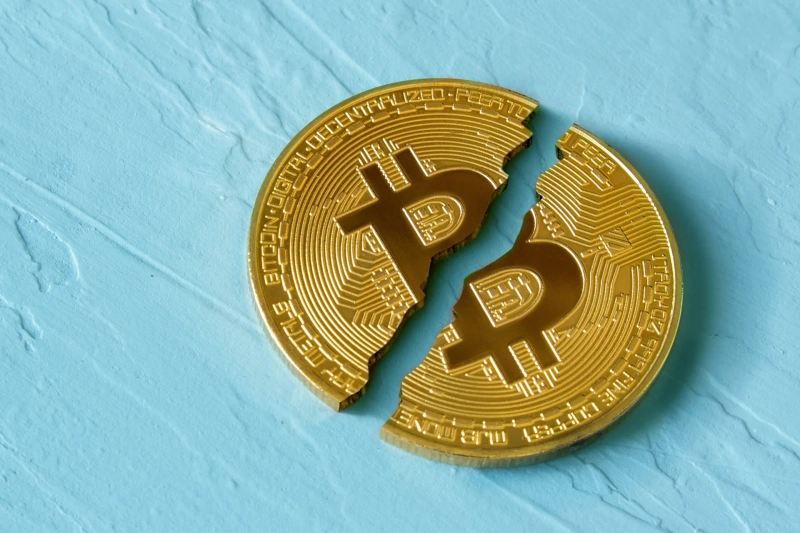
U.S. technology stocks, South Korea’s equity market and cryptocurrencies were hit by back-to-back shocks on Oct. 30. Alphabet plunged more than 12% in New York trading, followed by a multibillion-dollar hack at Binance, the world’s largest cryptocurrency exchange. When South Korea’s market opened, Samsung Electronics and SK Hynix also fell sharply, sending the Kospi down more than 5% intraday.
Concerns over returns on AI investment were already weighing on technology shares. In crypto markets, those worries were compounded by fresh anxiety over exchange security. Negative developments that shook growth expectations and market confidence piled up within hours, quickly chilling investor sentiment.
Binance Loses $5.9 Billion, Says It Will Fully Cover Losses
Estimated losses from the Binance hack have exceeded $5.9 billion. Blockchain analytics firm Chainalysis said the attack led to about $5.9 billion of asset outflows from Binance. Large transfers of Bitcoin, Ether and stablecoins were detected from wallets linked to the attacker.
Binance said in an official post on X that confirmed frozen funds had increased to about $3 billion. That was up about $460 million from the previously disclosed $2.54 billion. The company said it was working closely with law enforcement agencies, token issuers, blockchain analytics firms and industry partners, and would continue tracing and freezing additional assets. Binance also said it would fully compensate all losses and temporarily suspend deposits and withdrawals while it conducts security checks, freezes funds and cooperates with investigators.
The attacker has been swapping the stolen coins into other assets. On-chain analytics firm Lookonchain said the hacker sold seven tokens — UNI, ENA, PEPE, LINK, AAVE, ONDO and WLD — and accumulated 70,480 Ether. The holdings were worth about $158.25 million at the time of the transactions.
The fallout from the breach was immediately reflected in crypto prices. Bitcoin fell as low as $77,646, its weakest level in six weeks. Ether also dropped to $2,238.76, a two-month low. BNB, which is tied to the Binance ecosystem, fell more than 8% over 24 hours.
Alphabet Shock Spreads to Samsung, SK Hynix

Alphabet’s third-quarter revenue rose 25% from a year earlier, but failed to meet market expectations. The company spent about $51.4 billion on capital expenditures, resulting in a free-cash-flow deficit of about $9.1 billion. Investors focused less on revenue growth than on the burden of spending and the pace of cash burn.
Anxiety over spending by U.S. big tech spread to South Korean chipmakers. Big tech and data-center companies are major buyers of high-bandwidth memory, or HBM, and server memory. If their funding burden rises and capital spending slows, it could affect order volumes and profit outlooks for South Korean semiconductor companies.
Samsung Electronics was trading at 219,750 won, down 12,250 won, or 5.28%, from its reference price. SK Hynix fell 126,000 won, or 8.26%, to 1.4 million won. The stock briefly slipped below the 1.4 million won level during the session.
At the same time, the Kospi was down 279.36 points, or 4.70%, at 5,658.30 from the previous close. Its intraday low was 5,629.55, taking the decline past 5%. Just two days earlier, on Oct. 28, the index had reclaimed the 6,000 level after surging 6.63%. It fell back into the 5,600 range within two sessions.
Flows also added pressure. During the 10 a.m. hour in the benchmark stock market, foreign investors were net sellers of 553.8 billion won, while institutions sold a net 241 billion won. Retail investors bought a net 709.4 billion won, but that was not enough to reverse the decline. As semiconductor shares that had rallied on AI investment hopes and cryptocurrencies that traded on security trust both came under pressure at the same time, caution toward risk assets broadly appeared to intensify.
