PiCK
AI Regulation Fears Wipe $3.2 Trillion Off US Stocks in a Day
Summary
- After Democrats took control of both chambers of Congress, concern over data-center regulation and unease over AI investment costs erased about $3.2 trillion in U.S. stock market value in a single day.
- The Nasdaq Composite, S&P 500 and Nasdaq 100 all plunged, while Nvidia, AMD and Micron led double-digit declines in AI chip and data-center-related stocks.
- The possibility of a halt to new data-center construction, higher funding costs tied to elevated interest rates, and added pressure from AI regulation and rising oil prices weakened investor sentiment across the broader AI supply chain.
Forecast Trend Report by Period


Nasdaq Slides 5.52%, Enters Correction
Nvidia Drops 9%, AMD Sinks 17%
Data-Center Curbs Add to Pressure From AI Spending
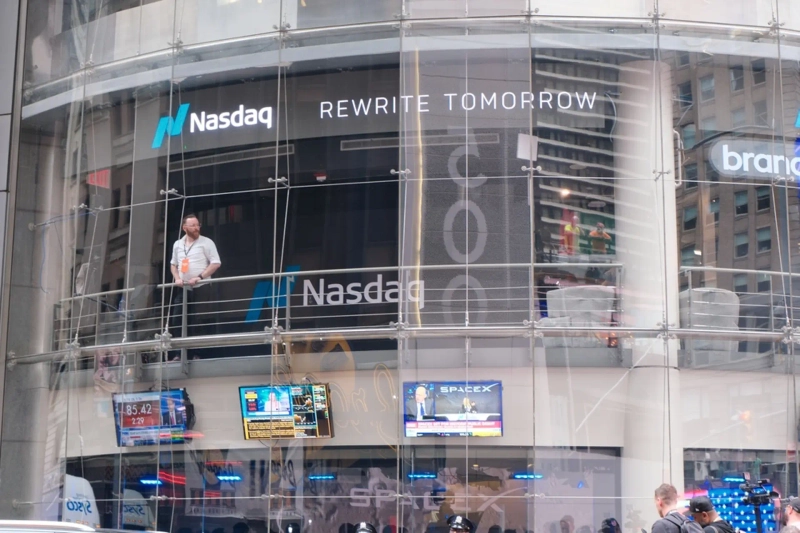
U.S. stocks tumbled as investors dumped artificial-intelligence shares. Fears that data-center regulation could tighten after Democrats swept the midterm elections compounded concerns over the huge cost of AI investment. About $3.2 trillion in market value was erased from the U.S. stock market in a single day.
On Nov. 5, the Nasdaq Composite fell 1,421.52 points, or 5.52%, to close at 24,315.00. The S&P 500 dropped 334.89 points, or 4.36%, to 7,353.73, while the Dow Jones Industrial Average lost 1,833.06 points, or 3.44%, to finish at 51,523.06.
The S&P 500 posted its biggest drop since April last year, when markets were rattled by President Donald Trump's tariff announcement. The Nasdaq has fallen 11.9% from its peak last month, putting it in a technical correction. A drop of 10% or more from a recent high is typically classified as a correction. The Nasdaq 100, which is made up of large technology stocks, sank 6.4%.
Markets reversed course a day after welcoming the midterm election result. The day before, the Dow rose 3.0% and the Nasdaq gained 1.4% on expectations that political uncertainty had eased after Democrats took control of both chambers of Congress. But the major indexes gave back those gains from the opening bell as concern grew that data-center construction and AI development could be slowed.
Investor sentiment was shaken by the election of Democratic figures who had called for halting new data-center construction and slowing the pace of advanced AI development. Delays to construction schedules could hit demand for AI chips and servers, as well as power and cooling equipment and cloud services. UBS said about 30% of the data-center capacity previously expected to be added in the U.S. by 2028 could face disruptions because of construction halts and related measures.
Doubts over whether the massive sums big technology companies are pouring into AI, even by taking on more debt, will generate enough returns also fueled the selloff. Funding costs are already rising under high interest rates. Concerns that regulation could further delay project timelines added to the pressure.
Nvidia fell 9.3%, wiping more than $400 billion from its market value in a single day. AMD and Micron dropped 17.3% and 17%, respectively. Broadcom and Qualcomm fell 10% and 9.5%. Storage makers SanDisk and Western Digital slid 22% and 17%.
CoreWeave and Nebius, which rent out AI computing resources, also posted double-digit declines. GE Vernova, which supplies power equipment for data centers, fell 7.5%. The selloff that began in semiconductors spread across the AI supply chain, including data centers and power equipment.
Tesla and SpaceX fell 10.8% and 9.1%, respectively. Musk spent about $500 million backing Republican candidates in this election, and investors worried that a Democratic victory could increase political and regulatory pressure on both companies. Democrats also won the gubernatorial and Senate races in Texas, where both companies are headquartered.
The sharp drop boosted demand for haven assets including U.S. Treasuries. The yield on the 10-year Treasury note fell to 4.84% intraday from 4.90% the previous day. Brent crude, by contrast, rose 3.9% on uncertainty surrounding the war with Iran. As anxiety over AI investment rattled stocks, rising oil prices added to inflation concerns.
