PiCK
Japan Spent $97.4 Billion Over Three Days to Defend Yen as US Joint Intervention Boosted Currency
Summary
- The Japanese government said it bought 15.4 trillion yen over the three days starting July 30.
- The US and Japan carried out joint intervention for the first time in about 28 years since 1998 and said they were leaving open the possibility of additional intervention if needed.
- The intervention triggered yen strength, though the currency later gave back part of those gains, and Japanese authorities said they were ready to take bold action in the event of sharp volatility.
Forecast Trend Report by Period


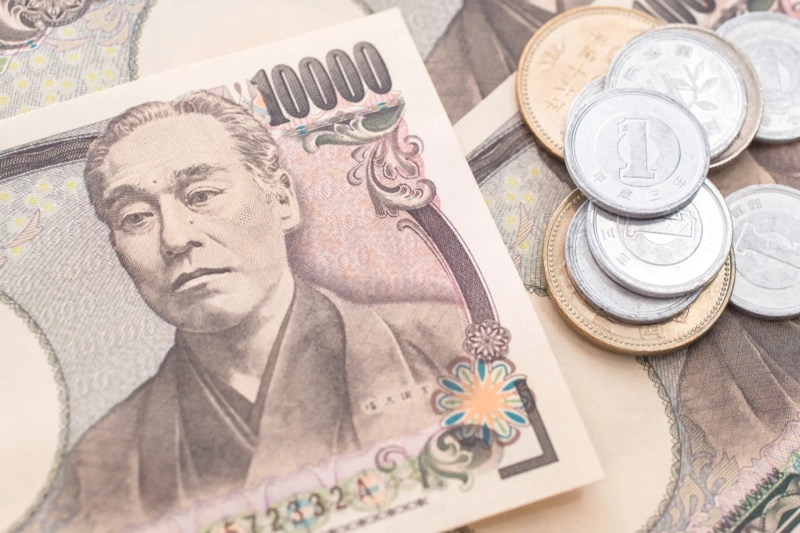
Japan's government carried out massive foreign-exchange intervention over three days last summer to slow the yen's decline.
Japan's Ministry of Finance said on Nov. 9 that it bought yen using a total of 15.4 trillion yen, or about $97.4 billion, over the three days from July 30. That marked Japan's largest-ever monthly yen-buying intervention.
According to Bloomberg, the government spent 7.98 trillion yen, or about $50.4 billion, on July 30 alone, setting a daily record. It then used an additional 5.55 trillion yen and 1.87 trillion yen over the following two days. Markets had initially estimated that intervention took place over two days, but the data confirmed it continued for three straight days.
On July 31, the US and Japan jointly bought yen for the first time in about 28 years, since 1998. At the time, US Treasury Secretary Scott Bessent and Japanese Finance Minister Satsuki Katayama described the move as a response to disorderly exchange-rate swings. The two countries also said they could intervene again if necessary.
The joint intervention helped strengthen the yen. After the action, the currency broke out of its weakening trend and rose to 152.89 per dollar in early September. It later surrendered part of those gains and was trading around 158.30 per dollar in Tokyo on Nov. 9.
The data also showed that Japan intervened on its own on July 30, a day before the Bank of Japan's monetary policy decision. That was a departure from its previous practice of entering the market after major economic data releases or BOJ policy decisions. Market participants say Japanese authorities appeared to have chosen an unexpected moment to counter speculative trading.
How Japan secured the dollar liquidity needed for the intervention has also drawn attention. There had been speculation that Tokyo may have sold some overseas securities, including US Treasuries. After the joint intervention, however, the two countries confirmed that Japan could obtain dollars through the Federal Reserve's foreign and international monetary authorities repo facility, or FIMA repo, without directly selling Treasuries.
The Japanese government has also left open the possibility of further intervention. Katayama said the authorities' stance on responding to sharp currency swings had not changed and that they were ready to take bold action if needed. US President Donald Trump and Japanese Prime Minister Sanae Takaichi also expressed concern over yen weakness at a summit in September.
