Summary
- U.S. stocks ended mixed as the Fed maintained a path toward additional rate hikes and concerns persisted over the durability of AI industry growth, with the Dow Jones Industrial Average and S&P 500 falling while the Nasdaq Composite rose.
- Nvidia fell about 3% despite strong earnings, while AI-related stocks including CoreWeave and Micron also weakened, adding pressure across the broader AI-related stock space.
- The Anthropic IPO, ahead of its Nasdaq listing on November 19, is set to serve as a test of market investment demand for the AI industry and confidence in its growth prospects.
Forecast Trend Report by Period


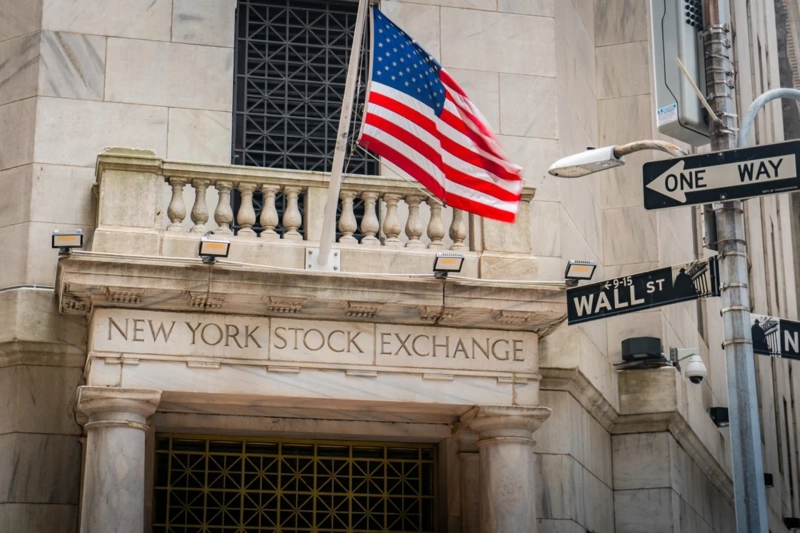
U.S. stocks finished mixed on November 18, unable to find clear direction despite strong earnings from Nvidia. Investor sentiment was pressured by the Federal Reserve's tilt toward further rate increases and concerns about the durability of growth in the AI industry. Lower oil prices weighed on energy shares even as they helped push Treasury yields down.
According to the Associated Press, the Dow Jones Industrial Average fell 561.25 points, or 1.11%, to close at 50,198.17. The S&P 500 declined 16.90 points, or 0.23%, to 7,323.63, marking its fifth straight daily loss, the longest slide since June. The Nasdaq Composite, by contrast, rose 101.50 points, or 0.42%, to 24,429.88.
Nvidia, the stock at the center of market attention, fell about 3%. Shares had risen as much as 2.7% early in the session after the company reported quarterly revenue and profit, along with next-quarter sales guidance, above market expectations, but later gave up those gains. Uncertainty over whether it can sustain its growth strategy and customer relationships after the departure of former Chief Executive Officer Jensen Huang outweighed the upbeat results. Other AI-related stocks, including CoreWeave and Micron, also traded weakly during the session.
Weakness in health insurers and energy stocks dragged on the Dow. UnitedHealth and Humana fell for a second day as authorities pushed to expand Medicare-related audits. Oil companies including Chevron also declined as crude prices fell. Retail stocks, however, advanced on earnings. TJX Cos., which operates TJ Maxx and Marshalls, and discount retailer Target rose after posting quarterly profit above market expectations.
Minutes from the Fed's October Federal Open Market Committee meeting reaffirmed the strain from tighter policy. Nearly all participants judged that additional rate increases would be appropriate to bring inflation back to target. Some also raised the possibility of a 0.5 percentage-point increase in December. Fed Governor Christopher Waller also argued for a more forceful response and called for clearer guidance on either a December half-point increase or the path of subsequent hikes. The dollar climbed to its highest intraday level in 19 months.
A string of computer outages also remained a source of market unease. After recent disruptions affecting email, airline and financial services, an outage in the U.S. National Security Agency's classified communications network added to concerns about the stability of technology infrastructure. The U.S. government said it had no information indicating the incidents were linked or caused by a malicious external actor.
Oil prices fell on rising U.S. inventories and expectations of oversupply. West Texas Intermediate futures dropped 3.2% to settle at $83.26 a barrel, while Brent futures fell 1.3% to $91.95. Prices came under pressure after U.S. commercial crude inventories increased by a larger-than-expected 3.4 million barrels. Lower oil prices eased some inflation pressure and also put downward pressure on U.S. Treasury yields.
The market's next focus is Anthropic, which is set to list on the Nasdaq on November 19. The large IPO from the developer of Claude is emerging as a test of investor demand for the AI industry. If Nvidia's earnings underscored demand for AI infrastructure, Anthropic's offering price and post-listing share performance will provide a gauge of how much value investors assign to the growth prospects of AI companies.
