Utah Moves to Drop Criminal Charges Against Kalshi, Co-Founders in Service Halt Deal
Summary
- Utah said it would withdraw criminal charges against Kalshi and its co-founders on the condition that the company halt service in the state.
- Access to the Kalshi platform in Utah will be blocked through geofencing, and criminal charges could resume if the company reenters the state.
- The US remains locked in a federal-state clash over regulatory authority for prediction markets, and the dispute is increasingly likely to reach the Supreme Court.
Forecast Trend Report by Period


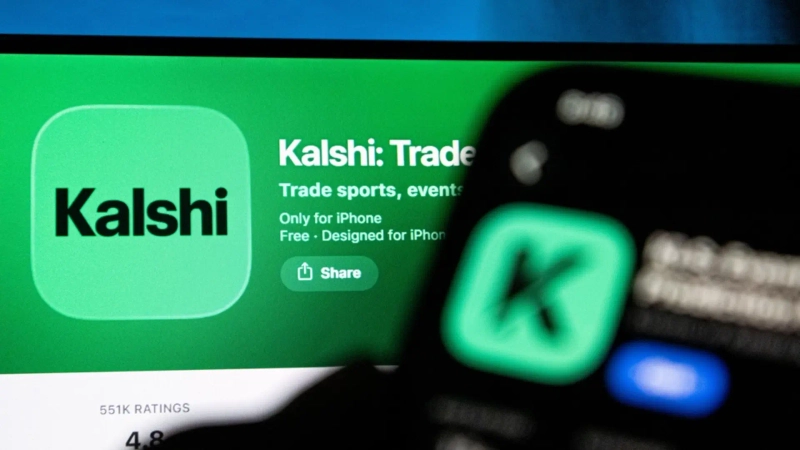
Utah has begun the process of dropping criminal charges against prediction-market platform Kalshi and its co-founders.
Bloomberg reported on November 24 that Utah prosecutors agreed to withdraw the charges against the company and co-founders Tarek Mansour and Luana Lopes Lara after Kalshi stopped offering its service in the state.
Utah Attorney General Derek Brown charged the company and its co-founders last month, alleging that Kalshi promoted illegal online gambling. It was the first time Kalshi's top executives had faced criminal charges as legal fights continue across the US over who has the authority to regulate prediction markets.
Kalshi agreed to use geofencing technology to block users in Utah from accessing the platform. It will also monitor attempts to connect through IP addresses in the state.
"Utah does not allow gambling, and prediction markets also qualify as gambling," Brown said. Kalshi has withdrawn from Utah, he added, but criminal charges would resume if the company reentered the state.
The US remains split over whether federal or state authorities have jurisdiction over prediction markets. The Commodity Futures Trading Commission claims exclusive oversight of prediction-market platforms, while some states maintain that the platforms violate their gambling laws.
Conflicting rulings from federal appeals courts have increased the chances that the dispute will reach the US Supreme Court.
Kalshi Chief Legal Officer Yaakov Roth said a legitimate disagreement over regulatory jurisdiction should not be subject to criminal punishment. He added that the company is willing to work with state attorneys general to put in place reasonable interim measures until courts issue a final ruling.
