Middle East Energy Shock Pushes Fed Rate-Cut Expectations to September
Summary
- A Middle East-driven energy shock is pushing back the timing of U.S. benchmark rate cuts, with the dominant view now calling for rate cuts to resume in September.
- Major investment banks including Citi, Bank of America, Nomura, Wells Fargo and Morgan Stanley largely maintained forecasts for the number of cuts while delaying the end point of the rate-cut cycle to October through December.
- The Bank of Korea said the Fed will likely maintain its cautious wait-and-see stance as inflation and inflation expectations rise, citing 3.3% CPI, an 18.9% jump in gasoline, and 3.8% expected inflation.
Forecast Trend Report by Period


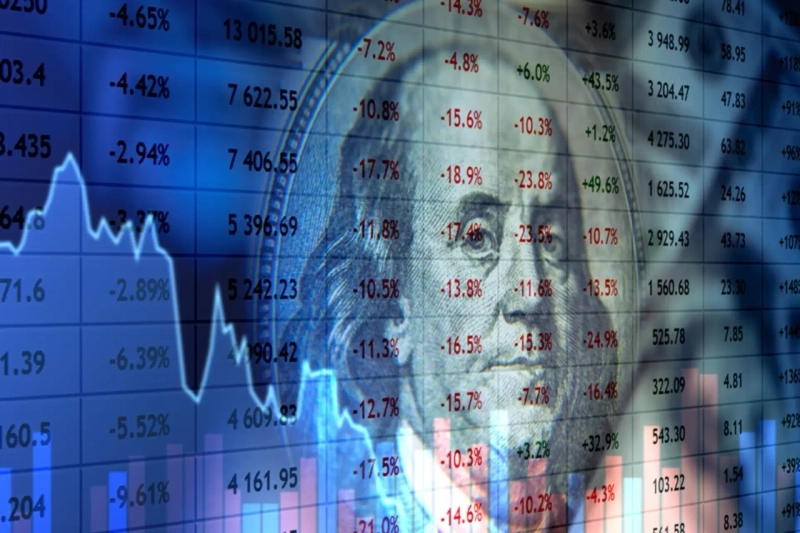
Photo: Shutterstock
U.S. interest-rate cut expectations are being pushed back as a Middle East-driven energy shock adds to inflation concerns. Major investment banks now largely expect the Federal Reserve to resume cutting rates in September.
According to the Bank of Korea's New York office on April 21, most major investment banks expect the Fed to restart rate cuts in September this year. Of 10 firms, only Morgan Stanley projected two cuts before September.
Forecasts for the number of cuts were mostly unchanged, but the expected timing shifted later. Bank of America pushed back the projected end of the rate-cut cycle to October from July. Citi, Nomura and Wells Fargo delayed theirs to December from September.
Citi expects three cuts. Bank of America, Nomura and Wells Fargo each forecast two. TD trimmed its call to two cuts from three and put the terminal rate at 3.00% on an upper-bound basis. JPMorgan expects no rate cuts this year. Barclays, Goldman Sachs and Morgan Stanley maintained forecasts for two cuts, while Deutsche Bank held to one.
Rate expectations in the futures market also moved higher. The expected policy rate for September rose to 3.62% in April from 3.50% in March and 3.25% in February.
Inflation data pointed to mounting price pressure. U.S. CPI rose 3.3% from a year earlier last month, the highest since May 2024. Gasoline prices jumped 18.9%. Price growth for nondurable goods accelerated to 4.9% from 1.7% a month earlier.
Inflation expectations also increased. One-year expected inflation rose to 3.8% in March from 3.4% the previous month.
The BOK said investment banks expect the Fed to maintain a cautious wait-and-see stance for now because the impact of the energy supply shock could feed into future inflation data with a lag. Prolonged military conflict in the Middle East could also stir inflation expectations and spread price pressure to other categories, it said.
Lee Song-ryeol, Hankyung.com reporter yisr0203@hankyung.com
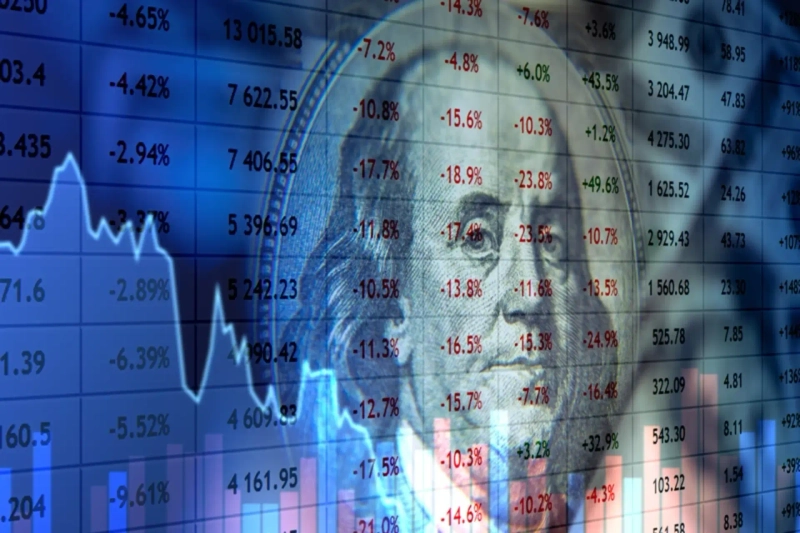
Photo: Shutterstock
U.S. interest-rate cut expectations are being pushed back as a Middle East-driven energy shock adds to inflation concerns. Major investment banks now largely expect the Federal Reserve to resume cutting rates in September.
According to the Bank of Korea's New York office on April 21, most major investment banks expect the Fed to restart rate cuts in September this year. Of 10 firms, only Morgan Stanley projected two cuts before September.
Forecasts for the number of cuts were mostly unchanged, but the expected timing shifted later. Bank of America pushed back the projected end of the rate-cut cycle to October from July. Citi, Nomura and Wells Fargo delayed theirs to December from September.
Citi expects three cuts. Bank of America, Nomura and Wells Fargo each forecast two. TD trimmed its call to two cuts from three and put the terminal rate at 3.00% on an upper-bound basis. JPMorgan expects no rate cuts this year. Barclays, Goldman Sachs and Morgan Stanley maintained forecasts for two cuts, while Deutsche Bank held to one.
Rate expectations in the futures market also moved higher. The expected policy rate for September rose to 3.62% in April from 3.50% in March and 3.25% in February.
Inflation data pointed to mounting price pressure. U.S. CPI rose 3.3% from a year earlier last month, the highest since May 2024. Gasoline prices jumped 18.9%. Price growth for nondurable goods accelerated to 4.9% from 1.7% a month earlier.
Inflation expectations also increased. One-year expected inflation rose to 3.8% in March from 3.4% the previous month.
The BOK said investment banks expect the Fed to maintain a cautious wait-and-see stance for now because the impact of the energy supply shock could feed into future inflation data with a lag. Prolonged military conflict in the Middle East could also stir inflation expectations and spread price pressure to other categories, it said.
Lee Song-ryeol, Hankyung.com reporter yisr0203@hankyung.com
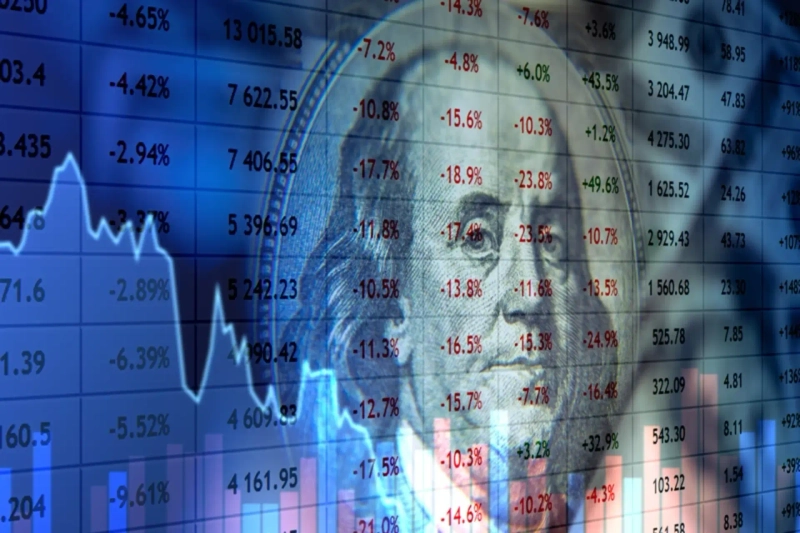
Photo: Shutterstock
U.S. interest-rate cut expectations are being pushed back as a Middle East-driven energy shock adds to inflation concerns. Major investment banks now largely expect the Federal Reserve to resume cutting rates in September.
According to the Bank of Korea's New York office on April 21, most major investment banks expect the Fed to restart rate cuts in September this year. Of 10 firms, only Morgan Stanley projected two cuts before September.
Forecasts for the number of cuts were mostly unchanged, but the expected timing shifted later. Bank of America pushed back the projected end of the rate-cut cycle to October from July. Citi, Nomura and Wells Fargo delayed theirs to December from September.
Citi expects three cuts. Bank of America, Nomura and Wells Fargo each forecast two. TD trimmed its call to two cuts from three and put the terminal rate at 3.00% on an upper-bound basis. JPMorgan expects no rate cuts this year. Barclays, Goldman Sachs and Morgan Stanley maintained forecasts for two cuts, while Deutsche Bank held to one.
Rate expectations in the futures market also moved higher. The expected policy rate for September rose to 3.62% in April from 3.50% in March and 3.25% in February.
Inflation data pointed to mounting price pressure. U.S. CPI rose 3.3% from a year earlier last month, the highest since May 2024. Gasoline prices jumped 18.9%. Price growth for nondurable goods accelerated to 4.9% from 1.7% a month earlier.
Inflation expectations also increased. One-year expected inflation rose to 3.8% in March from 3.4% the previous month.
The BOK said investment banks expect the Fed to maintain a cautious wait-and-see stance for now because the impact of the energy supply shock could feed into future inflation data with a lag. Prolonged military conflict in the Middle East could also stir inflation expectations and spread price pressure to other categories, it said.
Lee Song-ryeol, Hankyung.com reporter yisr0203@hankyung.com
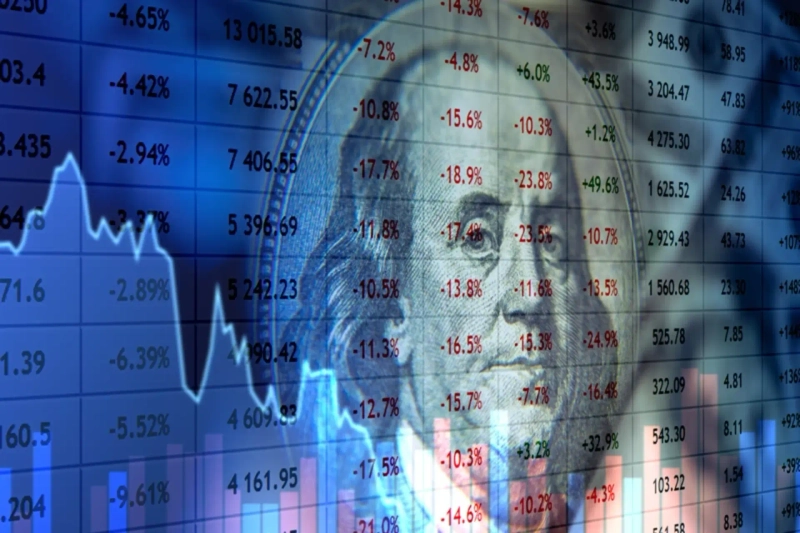
Photo: Shutterstock
U.S. interest-rate cut expectations are being pushed back as a Middle East-driven energy shock adds to inflation concerns. Major investment banks now largely expect the Federal Reserve to resume cutting rates in September.
According to the Bank of Korea's New York office on April 21, most major investment banks expect the Fed to restart rate cuts in September this year. Of 10 firms, only Morgan Stanley projected two cuts before September.
Forecasts for the number of cuts were mostly unchanged, but the expected timing shifted later. Bank of America pushed back the projected end of the rate-cut cycle to October from July. Citi, Nomura and Wells Fargo delayed theirs to December from September.
Citi expects three cuts. Bank of America, Nomura and Wells Fargo each forecast two. TD trimmed its call to two cuts from three and put the terminal rate at 3.00% on an upper-bound basis. JPMorgan expects no rate cuts this year. Barclays, Goldman Sachs and Morgan Stanley maintained forecasts for two cuts, while Deutsche Bank held to one.
Rate expectations in the futures market also moved higher. The expected policy rate for September rose to 3.62% in April from 3.50% in March and 3.25% in February.
Inflation data pointed to mounting price pressure. U.S. CPI rose 3.3% from a year earlier last month, the highest since May 2024. Gasoline prices jumped 18.9%. Price growth for nondurable goods accelerated to 4.9% from 1.7% a month earlier.
Inflation expectations also increased. One-year expected inflation rose to 3.8% in March from 3.4% the previous month.
The BOK said investment banks expect the Fed to maintain a cautious wait-and-see stance for now because the impact of the energy supply shock could feed into future inflation data with a lag. Prolonged military conflict in the Middle East could also stir inflation expectations and spread price pressure to other categories, it said.
Lee Song-ryeol, Hankyung.com reporter yisr0203@hankyung.com
Photo: Shutterstock
U.S. interest-rate cut expectations are being pushed back as a Middle East-driven energy shock adds to inflation concerns. Major investment banks now largely expect the Federal Reserve to resume cutting rates in September.
According to the Bank of Korea's New York office on April 21, most major investment banks expect the Fed to restart rate cuts in September this year. Of 10 firms, only Morgan Stanley projected two cuts before September.
Forecasts for the number of cuts were mostly unchanged, but the expected timing shifted later. Bank of America pushed back the projected end of the rate-cut cycle to October from July. Citi, Nomura and Wells Fargo delayed theirs to December from September.
Citi expects three cuts. Bank of America, Nomura and Wells Fargo each forecast two. TD trimmed its call to two cuts from three and put the terminal rate at 3.00% on an upper-bound basis. JPMorgan expects no rate cuts this year. Barclays, Goldman Sachs and Morgan Stanley maintained forecasts for two cuts, while Deutsche Bank held to one.
Rate expectations in the futures market also moved higher. The expected policy rate for September rose to 3.62% in April from 3.50% in March and 3.25% in February.
Inflation data pointed to mounting price pressure. U.S. CPI rose 3.3% from a year earlier last month, the highest since May 2024. Gasoline prices jumped 18.9%. Price growth for nondurable goods accelerated to 4.9% from 1.7% a month earlier.
Inflation expectations also increased. One-year expected inflation rose to 3.8% in March from 3.4% the previous month.
The BOK said investment banks expect the Fed to maintain a cautious wait-and-see stance for now because the impact of the energy supply shock could feed into future inflation data with a lag. Prolonged military conflict in the Middle East could also stir inflation expectations and spread price pressure to other categories, it said.
Lee Song-ryeol, Hankyung.com reporter yisr0203@hankyung.com
Photo: Shutterstock
U.S. interest-rate cut expectations are being pushed back as a Middle East-driven energy shock adds to inflation concerns. Major investment banks now largely expect the Federal Reserve to resume cutting rates in September.
According to the Bank of Korea's New York office on April 21, most major investment banks expect the Fed to restart rate cuts in September this year. Of 10 firms, only Morgan Stanley projected two cuts before September.
Forecasts for the number of cuts were mostly unchanged, but the expected timing shifted later. Bank of America pushed back the projected end of the rate-cut cycle to October from July. Citi, Nomura and Wells Fargo delayed theirs to December from September.
Citi expects three cuts. Bank of America, Nomura and Wells Fargo each forecast two. TD trimmed its call to two cuts from three and put the terminal rate at 3.00% on an upper-bound basis. JPMorgan expects no rate cuts this year. Barclays, Goldman Sachs and Morgan Stanley maintained forecasts for two cuts, while Deutsche Bank held to one.
Rate expectations in the futures market also moved higher. The expected policy rate for September rose to 3.62% in April from 3.50% in March and 3.25% in February.
Inflation data pointed to mounting price pressure. U.S. CPI rose 3.3% from a year earlier last month, the highest since May 2024. Gasoline prices jumped 18.9%. Price growth for nondurable goods accelerated to 4.9% from 1.7% a month earlier.
Inflation expectations also increased. One-year expected inflation rose to 3.8% in March from 3.4% the previous month.
The BOK said investment banks expect the Fed to maintain a cautious wait-and-see stance for now because the impact of the energy supply shock could feed into future inflation data with a lag. Prolonged military conflict in the Middle East could also stir inflation expectations and spread price pressure to other categories, it said.
Lee Song-ryeol, Hankyung.com reporter yisr0203@hankyung.com
Photo: Shutterstock
U.S. interest-rate cut expectations are being pushed back as a Middle East-driven energy shock adds to inflation concerns. Major investment banks now largely expect the Federal Reserve to resume cutting rates in September.
According to the Bank of Korea's New York office on April 21, most major investment banks expect the Fed to restart rate cuts in September this year. Of 10 firms, only Morgan Stanley projected two cuts before September.
Forecasts for the number of cuts were mostly unchanged, but the expected timing shifted later. Bank of America pushed back the projected end of the rate-cut cycle to October from July. Citi, Nomura and Wells Fargo delayed theirs to December from September.
Citi expects three cuts. Bank of America, Nomura and Wells Fargo each forecast two. TD trimmed its call to two cuts from three and put the terminal rate at 3.00% on an upper-bound basis. JPMorgan expects no rate cuts this year. Barclays, Goldman Sachs and Morgan Stanley maintained forecasts for two cuts, while Deutsche Bank held to one.
Rate expectations in the futures market also moved higher. The expected policy rate for September rose to 3.62% in April from 3.50% in March and 3.25% in February.
Inflation data pointed to mounting price pressure. U.S. CPI rose 3.3% from a year earlier last month, the highest since May 2024. Gasoline prices jumped 18.9%. Price growth for nondurable goods accelerated to 4.9% from 1.7% a month earlier.
Inflation expectations also increased. One-year expected inflation rose to 3.8% in March from 3.4% the previous month.
The BOK said investment banks expect the Fed to maintain a cautious wait-and-see stance for now because the impact of the energy supply shock could feed into future inflation data with a lag. Prolonged military conflict in the Middle East could also stir inflation expectations and spread price pressure to other categories, it said.
Lee Song-ryeol, Hankyung.com reporter yisr0203@hankyung.com

Bloomingbit Newsroom
news@bloomingbit.ioFor news reports, news@bloomingbit.io